



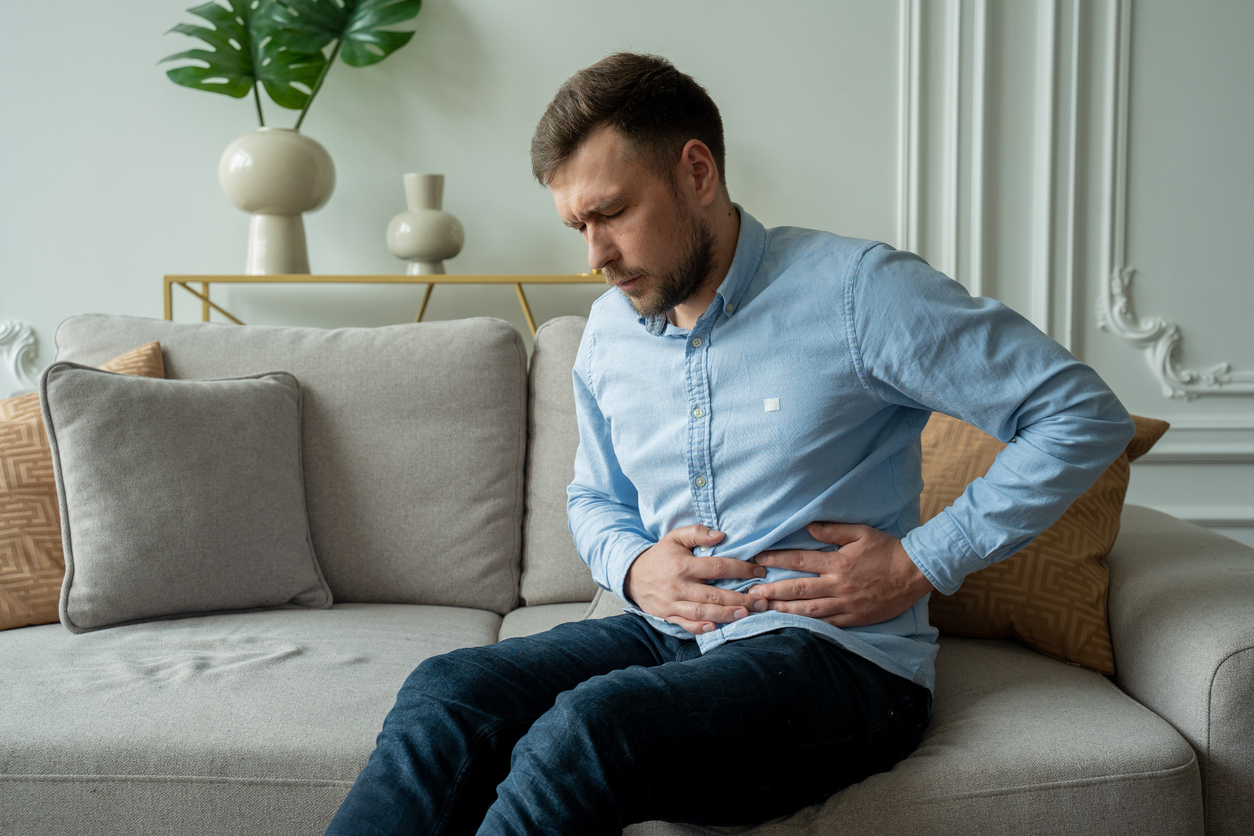
Pancreatitis symptoms often start as sudden upper-abdominal pain that bores through to the back, then build with nausea and tenderness that make deep breaths or movement uncomfortable. Because the pancreas drives digestion and blood sugar control, inflammation can affect daily life quickly. Early attention helps you avoid complications and shortens recovery. At Gastro Florida, we confirm the cause, guide acute care, and map a practical plan for long-term stability—so you can move from uncertainty to a clear, step-by-step path.
If you need timely evaluation in Tampa Bay, explore our digestive care services and choose a convenient site from our locations directory.
What pancreatitis is—and why speed matters
The pancreas sits behind the stomach and releases enzymes that help digest fat, protein, and carbohydrates. It also produces hormones—including insulin—that regulate blood sugar. When the gland becomes inflamed (pancreatitis), digestive enzymes can activate too early and irritate the tissue itself. That irritation causes pain, swelling, and, in some cases, systemic symptoms such as fever or rapid heart rate. Rapid triage matters: the sooner we confirm the diagnosis and treat drivers like gallstones or heavy alcohol exposure, the lower the risk of complications.
For a plain-language reference you can bookmark, see the NIDDK overview of pancreatitis and the American College of Gastroenterology’s patient guide.
12 pancreatitis symptoms you should recognize
- Sudden, steady pain in the upper abdomen (often midline or left), sometimes severe
- Pain that radiates straight through to the back or shoulder area
- Nausea with or without vomiting that fails to relieve pain
- Tenderness to touch in the upper abdomen, worse with movement or coughing
- Bloating or a feeling of tightness under the ribs
- Fever or chills during more advanced inflammation
- Rapid heart rate or feeling light-headed
- Worsening pain after eating, especially high-fat meals
- Fatigue and loss of appetite
- Oily, pale, or difficult-to-flush stools (with longer-term issues)
- Unexplained weight loss over weeks to months (chronic cases)
- Elevated blood sugars or new difficulty controlling diabetes
Not every sign appears at once. Even a subset—especially severe pain with nausea—deserves prompt assessment.
Acute vs. chronic pancreatitis: how patterns differ
Acute pancreatitis presents suddenly and usually relates to gallstones, alcohol, certain medications, high triglycerides, or, rarely, anatomic variants. Most people recover within days to weeks with structured care. Chronic pancreatitis reflects repeated inflammation that has scarred the gland. It brings less dramatic pain flares but ongoing digestive issues, weight change, and trouble absorbing fat-soluble vitamins. Chronic disease also raises the risk of diabetes and requires a longer-term strategy, including a focused chronic pancreatitis diet, enzyme replacement, and careful pain planning.
Common causes—and what you can influence
- Gallstones temporarily blocking the pancreatic duct
- Alcohol use (often heavy or long-term)
- Very high triglycerides or high calcium levels
- Certain medications (rare, but your clinician will review your list)
- Autoimmune pancreatitis or an anatomic variant that narrows drainage
- Post-procedure irritation after ERCP in a minority of cases
You can’t change genetics, but you can limit alcohol, treat triglycerides, and address gallstones. These steps cut repeat attacks and shorten recovery.
When pancreatitis symptoms mean “go now”
Call for urgent evaluation if you have: severe, unrelenting upper-abdominal pain; persistent vomiting; fever; shortness of breath; yellowing of the eyes or skin; confusion or dizziness; or a heart rate that stays high at rest. These signs can signal complications and are safer to address the same day.
How we confirm the diagnosis
Your Gastro Florida clinician will combine history, exam, and testing:
- Blood tests for pancreatic enzymes (amylase and lipase), triglycerides, and liver tests
- Ultrasound to look for gallstones and bile duct dilation
- CT scan or MRI to evaluate inflammation severity and rule out complications
- MRCP or endoscopic ultrasound (EUS) to assess ducts if stones or strictures are suspected
Clear answers guide efficient acute pancreatitis treatment and reduce the chance of a second hospitalization.
Acute pancreatitis treatment: what to expect
Care focuses on rest for the pancreas and support for the body while the gland recovers.
Hydration and pain control
IV fluids restore circulation and protect the kidneys. Pain management uses a stepwise approach that maximizes comfort while minimizing side effects. Nausea medicine prevents dehydration.
Nutrition strategy
In many cases, you can resume oral intake early—first clear liquids, then low-fat meals—once pain and nausea improve. When eating remains difficult, we use specialized feeding through a small tube into the stomach or small intestine to keep nutrition on track. Early nutrition shortens stays and speeds recovery.
Gallstone management
If stones triggered your attack, we plan definitive therapy. Many people benefit from timely gallbladder removal (laparoscopic cholecystectomy) once inflammation settles. If a stone blocks the common bile duct, ERCP can open the duct and relieve obstruction. This two-step plan reduces repeat attacks.
Metabolic triggers
When triglycerides are very high, treatment may include insulin infusions or, rarely, plasma exchange to bring levels down quickly and reduce inflammation.
Most uncomplicated cases resolve within a few days to a week. Before you leave, you’ll receive clear home instructions and a follow-up plan.
Complications we watch for—and manage early
- Pancreatic fluid collections: often monitored; some require drainage if infected or persistent
- Infection: suspected with fever or rising white counts; confirmed by imaging and labs
- Breathing difficulty: treated with oxygen or respiratory support if needed
- Organ strain from severe inflammation: managed in higher-acuity settings
Fast identification keeps small problems small.
Recovering at home: your first two weeks
Days 1–3 after discharge
- Favor small, low-fat meals (eggs, plain yogurt, rice, broth-based soups, baked fish)
- Hydrate steadily; set phone reminders if appetite is low
- Walk short distances two to three times daily to prevent deconditioning
- Avoid alcohol completely; it delays healing and raises recurrence risk
- Track pain, temperature, and any nausea
Days 4–14
- Increase portions as comfort allows; still keep fat modest
- Resume light work if energy is stable and pain is controlled
- Keep your follow-up with Gastro Florida to review results and next steps (gallbladder, triglycerides, meds)
- Call if pain escalates, fever returns, or vomiting persists
This simple structure makes the transition predictable.
Chronic pancreatitis: living better with a long-term plan
Chronic disease requires four pillars:
- Nutrition and the chronic pancreatitis diet
Small, frequent meals with moderate protein and low-to-moderate fat help many people. Focus on cooked vegetables, whole grains, lean proteins, and healthy fats in measured portions (olive oil, avocado). If weight loss or vitamin deficits have occurred, dietitians adjust calories and add fat-soluble vitamins (A, D, E, K) as needed. Alcohol and tobacco cessation are non-negotiable—both worsen pain and speed tissue damage. - Pancreatic enzyme replacement therapy (PERT)
When the gland can’t deliver enough enzymes, fat malabsorption leads to oily stools, weight loss, and gas. Enteric-coated capsules taken with meals replace missing enzymes, reduce stool fat, and improve nutrition. Your clinician will calibrate the dose to your meals, then adjust based on symptom response and weight. - Glycemic control
If the pancreas struggles to make insulin, blood sugars swing. Early glucose monitoring, nutrition planning, and medication support reduce fatigue and long-term risks. - Pain planning
We use layered strategies: enzymes (which can reduce ductal pressure), antineuropathic agents, endoscopic interventions for duct strictures or stones, celiac plexus blocks in select cases, and, rarely, surgical options for severe, localized disease. Thoughtful step-ups preserve quality of life and limit reliance on opioids.
For a clinician-reviewed summary you can share with family, see NIDDK: Chronic Pancreatitis.
Your food playbook: practical choices that work
Meal rhythm
Space meals evenly and avoid very large, late dinners that spike enzyme demand. Many people do well with three modest meals plus one snack.
Pantry upgrades
- Proteins: eggs, fish, chicken, tofu, Greek yogurt (if tolerated)
- Carbs: oatmeal, rice, potatoes, quinoa, whole-grain toast
- Produce: cooked vegetables; soft fruit like bananas or peeled pears
- Fats: olive oil, avocado, nut butters in thin layers; measure portions
Flavor without excess fat
Build taste with herbs, citrus, tomato-free sauces thickened with broth, garlic-infused oil, or spices that agree with you. If reflux coexists, adjust acidity to comfort.
Hydration
Steady fluids support digestion and energy. If nausea limits intake, try room-temperature drinks and small sips.
Alcohol, tobacco, and why quitting changes everything
Both alcohol and tobacco accelerate pancreatic damage and intensify pain. Quitting reduces flare frequency and protects remaining function. If abstinence feels daunting, your Gastro Florida team can coordinate medication-assisted treatment and counseling. The investment pays you back with fewer ER trips and better daily comfort.
Frequently asked questions
Can pancreatitis symptoms be “mild” and still serious?
Yes. Pain perception varies. If you have persistent upper-abdominal pain with nausea—even when “tolerable”—you should be evaluated, especially if you’ve had gallstones or drink alcohol.
Do I need a strict fat-free diet?
No. In acute recovery, keep fat modest. Long-term, a balanced plan with measured healthy fats is more sustainable. If fat in stools persists, enzyme dosing may need adjustment.
Will pancreatic enzymes help my pain?
Enzymes improve digestion and can lower ductal pressure in some people, which may reduce pain. They’re most effective when malabsorption is present and dosing matches meal size.
How long until I feel normal after an acute attack?
Many people feel significantly better within one to two weeks, but fatigue can linger. Gentle activity, hydration, and consistent meals speed the return of energy.
Is surgery common?
Not in acute, uncomplicated cases. In chronic pancreatitis with duct obstruction, localized disease, or painful strictures, endoscopic or surgical options can help select patients.
Can high triglycerides really cause pancreatitis?
Yes. Very high levels (often >1,000 mg/dL) can trigger attacks. Treating lipids, limiting simple sugars, and managing diabetes lower risk.
A 14-day action plan you can copy
Days 1–2: Confirm and stabilize
- If severe pain or vomiting is present, seek urgent care.
- Bring your medication list and any history of gallstones, alcohol use, or high triglycerides.
- Expect labs and imaging; ask for a printed summary before discharge.
Days 3–7: Heal and prevent
- Use a low-fat meal pattern; hydrate on a schedule.
- Zero alcohol; avoid tobacco.
- If gallstones caused your attack, schedule surgical consult timing with your team.
- Ask whether you need an ERCP or MRCP to assess ducts.
Days 8–14: Build resilience
- Expand meals as tolerated; keep portions modest.
- If stools are oily or weight drops, discuss enzyme therapy.
- Check fasting glucose if you have a meter; log readings to discuss at follow-up.
- Book your Gastro Florida follow-up via our services page and choose a nearby office from locations.
This structure turns a stressful event into a series of clear, doable steps.
When gallstones are the trigger: preventing the sequel
If imaging confirms stones, the most effective prevention is gallbladder removal once inflammation quiets. Laparoscopic surgery is common and usually outpatient. Until surgery, keep dietary fat modest, avoid heavy meals, and call if jaundice, fever, or severe pain return—these can signal duct blockage and require prompt care. After surgery, most people digest normally with gradual meal expansion.
For background on gallstone-related pancreatitis and treatment pathways, review the ACG patient information on gallstones.
Medications, supplements, and safety notes
- Pain relievers: Use only as prescribed; avoid NSAIDs if directed after certain procedures.
- Diabetes meds: Illness can raise glucose; coordinate dosing changes with your clinicians.
- Herbal products: “Digestive” supplements can interact with medicines or irritate the pancreas. Share all products with your care team before use.
- Triglyceride therapy: If prescribed omega-3s or fibrates, take them daily and recheck labs on schedule.
Smart coordination lowers risk and supports a faster return to normal life.
How Gastro Florida personalizes your care
Pancreatitis care is not one-size-fits-all. We start with precise diagnosis, then tailor acute pancreatitis treatment or chronic management to your triggers and schedule. Our team coordinates imaging, endoscopy (including ERCP when needed), nutrition, enzyme therapy, lipid and glucose management, and surgical referral. You’ll leave each visit with a written plan—meals, meds, red flags, and the exact date of your next checkpoint—so you always know the next step.
Learn more about our digestive care services and book at a nearby clinic from our locations directory.
Authoritative resources
- NIDDK: Pancreatitis—causes, diagnosis, and treatment — https://www.niddk.nih.gov/health-information/digestive-diseases/pancreatitis
- American College of Gastroenterology: Acute pancreatitis patient page — https://gi.org/topics/acute-pancreatitis/
- MedlinePlus: Pancreatitis overview — https://medlineplus.gov/pancreatitis.html
Call to action
If you’re noticing pancreatitis symptoms—or you are recovering from a recent flare—now is the right time to take control. Gastro Florida will confirm the cause, guide acute care, and design a practical chronic pancreatitis diet and enzyme plan if needed. Visit our services to explore options and schedule at a nearby clinic from our locations. Clear steps today can prevent tomorrow’s setback.
Educational only; not medical advice.
 Close
Close