



Keywords: fatty liver disease, NAFLD, liver health
Meta Description:
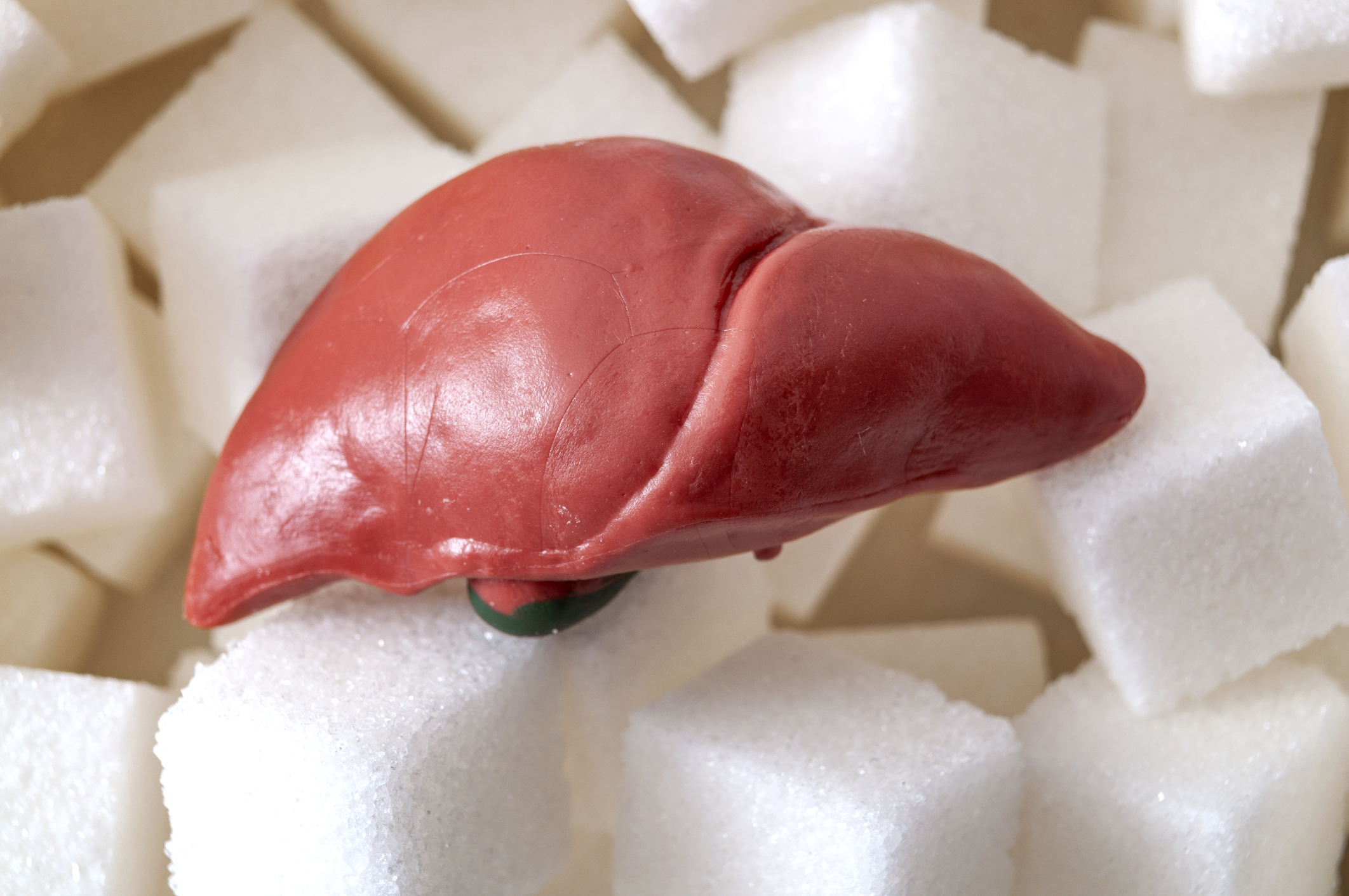
Fatty liver disease is one of the most common liver conditions in the United States, affecting an estimated one in four adults. In many cases it develops silently over years without causing noticeable symptoms, only to be discovered during routine imaging or blood work. Without appropriate management, fatty liver disease can progress to inflammation, scarring, cirrhosis, and liver failure. Understanding what causes it, who is at risk, and how to protect liver health can make a life-changing difference.
What Is Fatty Liver Disease?
Fatty liver disease occurs when excess fat accumulates in liver cells, impairing normal liver function. There are two main types. Alcoholic fatty liver disease is caused by heavy alcohol consumption. Nonalcoholic fatty liver disease, or NAFLD, develops in people who drink little or no alcohol and is closely associated with obesity, insulin resistance, and metabolic syndrome. NAFLD is now the leading cause of chronic liver disease in the United States.
The Spectrum of NAFLD
NAFLD encompasses a spectrum of conditions. Simple steatosis, in which fat accumulates without significant inflammation, is the mildest form and often stable. Nonalcoholic steatohepatitis, or NASH, involves inflammation and liver cell damage in addition to fat accumulation. NASH carries a significantly higher risk of progressing to fibrosis, cirrhosis, and ultimately liver failure or liver cancer if left unmanaged.
Who Is Most at Risk?
The strongest risk factors for NAFLD are obesity, type 2 diabetes, insulin resistance, high triglycerides, and high blood pressure — collectively known as metabolic syndrome. The condition is increasingly common in adolescents and young adults as rates of obesity and metabolic disease rise. Family history also plays a role, suggesting a genetic component to susceptibility that influences fat metabolism in the liver.
Symptoms of Fatty Liver Disease
Most patients with NAFLD have no symptoms, particularly in the early stages. Some experience fatigue or vague discomfort in the upper right abdomen where the liver is located. Symptoms typically become more pronounced as the disease advances to cirrhosis, at which point patients may develop jaundice, abdominal swelling, confusion, and easy bruising. The absence of early symptoms makes routine screening especially important in high-risk individuals.
How Fatty Liver Disease Is Diagnosed
NAFLD is often initially detected through elevated liver enzyme levels on routine blood tests or through incidental findings on abdominal ultrasound, CT, or MRI performed for other purposes. Further evaluation includes additional blood tests and imaging to assess the degree of fat accumulation and fibrosis. Liver biopsy remains the gold standard for distinguishing simple steatosis from NASH and staging fibrosis accurately.
Non-Invasive Tests for Liver Fibrosis
Advances in non-invasive testing have reduced the need for liver biopsy in many cases. FibroScan uses transient elastography to measure liver stiffness, a proxy for fibrosis. Blood-based scores such as the FIB-4 index and AST-to-platelet ratio provide risk stratification. These tools allow gastroenterologists and hepatologists to stage disease severity and guide management decisions without surgical procedures.
The Link Between Fatty Liver and Metabolic Disease
NAFLD and metabolic syndrome are bidirectionally linked. Insulin resistance drives fat accumulation in the liver, and liver fat further impairs insulin sensitivity, creating a cycle that worsens both conditions. Patients with NAFLD are at significantly elevated risk for cardiovascular disease, type 2 diabetes, and chronic kidney disease. Addressing metabolic health is central to any effective fatty liver management plan.
Weight Loss as the Most Effective Treatment
There is currently no FDA-approved medication specifically for NAFLD, but weight loss remains the single most effective treatment. Studies consistently show that a loss of 5 to 10 percent of body weight reduces liver fat and inflammation. Losses of 10 percent or more can reverse NASH and improve fibrosis in many patients. Even modest, sustained weight loss has a meaningful positive impact on liver health outcomes.
Diet for Liver Health
A Mediterranean-style diet rich in fruits, vegetables, whole grains, olive oil, and lean protein supports liver health and reduces hepatic fat. Reducing refined carbohydrates and added sugars is particularly important, as fructose in particular promotes hepatic fat accumulation. Eliminating or dramatically reducing alcohol is essential for all patients with fatty liver disease, regardless of the original cause.
Exercise and Fatty Liver Disease
Regular physical activity reduces liver fat independent of changes in body weight. Both aerobic exercise and resistance training have demonstrated benefits in improving liver fat content and insulin sensitivity. Current recommendations suggest at least 150 minutes of moderate-intensity aerobic activity per week. Even modest increases in activity in previously sedentary individuals produce measurable improvements in liver health.
Emerging Medications for NASH
Significant research effort has focused on developing pharmacological treatments for NASH. Resmetirom, a thyroid hormone receptor beta agonist, became the first FDA-approved medication for NASH with liver fibrosis in 2024. Several other agents targeting metabolic and inflammatory pathways are in advanced clinical trials. Patients with confirmed NASH and significant fibrosis should discuss these emerging treatment options with a gastroenterologist.
Cirrhosis: The Advanced Stage
Cirrhosis represents the end stage of progressive liver scarring in which functional liver tissue is replaced by fibrous scar. Once cirrhosis develops, the liver can no longer perform its critical functions normally. Complications include portal hypertension, ascites, hepatic encephalopathy, and significantly elevated risk of liver cancer. Preventing progression to cirrhosis through early detection and lifestyle intervention is the most important goal in NAFLD management.
Liver Cancer Risk in Fatty Liver Disease
NASH-related cirrhosis is now one of the leading indications for liver transplantation and a growing cause of hepatocellular carcinoma, the most common form of primary liver cancer. Patients with cirrhosis require regular ultrasound surveillance every six months to detect liver tumors at an early, potentially curative stage. Even patients without cirrhosis who have advanced NASH may warrant surveillance given their elevated risk.
The Role of the Gastroenterologist in Liver Care
Gastroenterologists and hepatologists are the specialists best equipped to evaluate, stage, and manage fatty liver disease. They perform and interpret endoscopic and non-invasive diagnostic evaluations, coordinate care with dietitians and endocrinologists, prescribe evidence-based treatments, and provide ongoing monitoring for disease progression and complications.
Taking Action Before Symptoms Appear
The best outcomes in fatty liver disease are achieved when the condition is identified and addressed before significant fibrosis or cirrhosis develops. If you have risk factors for NAFLD — including obesity, type 2 diabetes, or metabolic syndrome — ask your doctor about liver health screening. Early lifestyle intervention, specialist monitoring, and targeted treatment can preserve liver health and prevent the most serious consequences.
Call To Action
If you are experiencing digestive symptoms or are due for preventive screening, professional gastroenterology care can make a meaningful difference. Learn more about available services or schedule an appointment by visiting Gastro Florida.
Citations
NIH – Nonalcoholic Fatty Liver Disease
https://www.niddk.nih.gov/health-information/liver-disease/nafld-nash
Mayo Clinic – Nonalcoholic Fatty Liver Disease
https://www.mayoclinic.org/diseases-conditions/nonalcoholic-fatty-liver-disease
Cleveland Clinic – Fatty Liver Disease
https://my.clevelandclinic.org/health/diseases/15831-fatty-liver-disease
For education only, not medical advice.
 Close
Close