



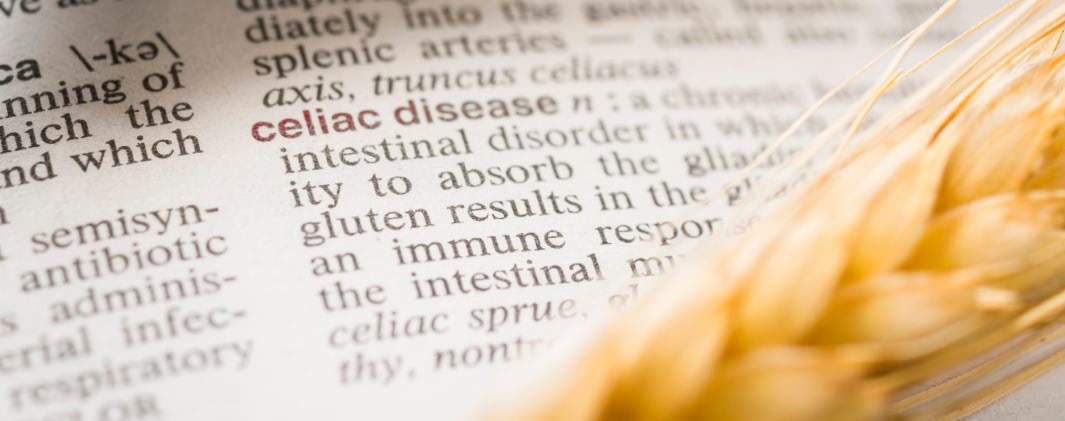
Celiac disease is an immune condition in which eating gluten (a protein in wheat, barley, and rye) damages the small-intestine lining. That damage can lead to abdominal pain, diarrhea or constipation, bloating, unexplained anemia, weight changes, rashes, bone loss, and fatigue—and sometimes no obvious gut symptoms at all. Getting the diagnosis right, then building a sustainable gluten-free diet with a clear follow-up plan, is what turns chaos into calm. At Gastro Florida, we confirm whether celiac disease is present, guide you through label reading and cross-contact pitfalls, check your nutrient status, and schedule the right milestones so you always know what’s next. To start, explore our digestive services and choose a convenient clinic from our locations directory.
Celiac disease basics: what’s happening in the gut
In celiac disease, gluten exposure triggers an autoimmune reaction that flattens the small-bowel villi—the tiny projections that absorb nutrients. Over time, this damage can cause deficiencies in iron, folate, B-vitamins, vitamin D, calcium, and others, which explains why symptoms vary so much. Some people present with chronic diarrhea and weight loss; others have iron-deficiency anemia or bone thinning without classic GI complaints. Authoritative background is available from the National Institute of Diabetes and Digestive and Kidney Diseases and the Celiac Disease Foundation.
Celiac symptoms: common patterns you should know
Celiac symptoms can be gastrointestinal or “outside the gut.” Typical GI complaints include bloating, gas, abdominal cramping, diarrhea, constipation, and foul-smelling stools. Non-GI issues include iron-deficiency anemia, fatigue, headaches, mouth sores, a blistering rash called dermatitis herpetiformis, bone or joint pain, and fertility challenges. Children may show poor growth or delayed puberty. Because these signs overlap with other conditions, we avoid guessing—accurate testing matters before any diet changes.
How we confirm celiac disease (before you go gluten-free)
Accurate testing for celiac disease starts while you are still eating gluten. Blood tests—especially tissue transglutaminase IgA (tTG-IgA) with a total IgA check—screen for risk. When results suggest celiac disease, the next step is an upper endoscopy with small-bowel biopsies to look for villous atrophy and inflammation. Starting a gluten-free diet first can normalize tests and disguise the diagnosis, so timing is crucial. For an accessible overview of tests and preparation, see MedlinePlus: Celiac Disease Tests.
Celiac disease vs. non-celiac gluten sensitivity
Some people feel better off gluten but don’t have celiac disease changes on bloodwork or biopsy. That pattern is often called non-celiac gluten sensitivity (NCGS). Management is individualized and may focus on specific triggers (including fermentable carbs) rather than lifelong strict avoidance of all gluten. The first step, however, is ruling in or out true celiac disease, because the stakes and follow-up are different.
The gluten-free diet: how to make it sustainable
The gluten-free diet is the only proven treatment for celiac disease. “Gluten-free” means avoiding wheat (including spelt, farro, durum, semolina), barley, rye, and most conventional malt ingredients. Oats are naturally gluten-free but are frequently contaminated during processing—look for oats specifically labeled gluten-free, and introduce them gradually with clinician guidance. Build your routine around whole foods that are naturally gluten-free: vegetables, fruits, legumes, plain meats and fish, eggs, dairy (if tolerated), nuts, seeds, potatoes, rice, corn, quinoa, buckwheat, and certified gluten-free grains. The FDA explains what the “gluten-free” label means and how manufacturers must comply.
12 essential steps to go gluten-free with confidence
- Stay on gluten until testing is complete
If celiac disease is suspected, don’t switch diets yet. Removing gluten early can mask the condition and delay a correct diagnosis. - Get the right blood panel
A tTG-IgA with total IgA is standard; your clinician may add deamidated gliadin peptide tests or endomysial antibodies in select cases. We’ll also check iron studies, B-vitamins, vitamin D, calcium, and thyroid function, which commonly need attention in celiac disease. - Confirm with biopsies when indicated
Endoscopic biopsies remain the gold standard for diagnosis and for clarifying uncertain cases. Clear answers make the next steps simpler. - Learn to read labels like a pro
Scan for wheat, barley, rye, malt (including malt vinegar and malt flavoring), brewer’s yeast, and questionable “natural flavors.” Choose products that are naturally gluten-free or specifically labeled gluten-free per FDA rules. - Manage cross-contact at home
Use separate toasters and cutting boards, clean shared surfaces before preparing gluten-free foods, and dedicate condiments (no “double dipping” knives). Small crumbs can sustain inflammation in celiac disease. - Eat out with a game plan
Ask about dedicated prep areas and fryers (shared oil often contains breading). Keep the conversation friendly but specific: you’re managing celiac disease, which requires strict gluten-free handling. - Guard oats and grains
Only buy oats labeled gluten-free; start with small portions and see how you feel. Explore naturally gluten-free grains like quinoa, buckwheat, millet, and certified corn products. - Rebuild your plate for nutrition
Whole, minimally processed foods make the diet easier and more affordable. Include legumes, leafy greens, lean proteins, and healthy fats. Many gluten-free packaged foods are lower in fiber—compensate with beans, vegetables, chia, and flax. - Replace, don’t remove, fiber
Suddenly cutting bread and whole-wheat products can reduce fiber intake. Add gluten-free whole grains, fruit skins, beans, and seeds to keep digestion regular. - Plan calcium, vitamin D, and iron repletion
Celiac disease can reduce bone density and cause anemia. We check levels and replete methodically while the intestine heals. A registered dietitian helps you meet targets with food first and supplements when needed. - Set follow-up checkpoints
Your antibodies should fall on a gluten-free diet; we trend them over time. If symptoms persist or labs don’t improve, we review technique, cross-contact, and the possibility of overlapping conditions. The American College of Gastroenterology offers patient guidance you can reference between visits. - Build a life you enjoy
The gluten-free diet is a skill, not a sentence. Save go-to restaurant orders, favorite products, and travel snacks. Confidence grows quickly once the basics are second nature.
Celiac disease and kids: growth, school, and social sanity
Children with celiac disease may show irritability, poor growth, delayed puberty, dental enamel defects, or classic GI symptoms. Diagnosis and treatment follow the same principles, but success often depends on school coordination and family routines. Provide teachers and caregivers with a simple card that explains celiac disease, the gluten-free diet, and how to prevent cross-contact (separate snacks, careful craft materials, clean tables). Many schools accommodate safely with advance notice and labeled treats.
Healing the gut: what timeline to expect
After gluten removal, many people feel better within weeks, though complete intestinal healing takes months and can take longer in adults than in children. Antibody levels typically decrease over three to six months and may normalize within a year or more. Energy improves as iron stores rebound and inflammation fades. If symptoms persist, we evaluate for lactose intolerance during healing, small-intestinal bacterial overgrowth, pancreatic enzyme insufficiency, microscopic colitis, or other contributors.
Dining out, travel, and holidays without drama
Success hinges on planning. For restaurants, look for gluten-free menus that note dedicated fryers and prep areas. Speak with staff kindly and clearly: “I have celiac disease; I need my meal prepared gluten-free with clean pans and utensils.” For travel, pack a small starter kit with gluten-free crackers, nut butters, oats, and shelf-stable proteins. For holidays, bring a dish you love and share it generously—most people are happy to help when they understand what celiac disease requires.
Budget-friendly gluten-free strategies
Naturally gluten-free staples are often the least expensive: rice, potatoes, beans, lentils, eggs, frozen vegetables, seasonal produce, canned fish, and bulk nuts or seeds. Save specialty gluten-free breads and treats for occasional use. Batch-cook soups, chilis, and grain bowls; label leftovers; and keep a rotating list of quick dinners so weeknights are simple.
Bone health, fertility, and long-term risks
Untreated celiac disease raises risks for osteoporosis and fractures; we check vitamin D, calcium, and bone density as appropriate and pair diet with weight-bearing exercise. Iron-deficiency anemia and certain fertility challenges may also improve after the gut heals and nutrients normalize. Strict gluten avoidance reduces long-term complications and cancer risks associated with ongoing inflammation. If dermatitis herpetiformis appears (itchy blisters on elbows, knees, buttocks, scalp), a dermatologist can confirm the diagnosis and partner with us on treatment while the diet does its work.
What if I “accidentally” get glutened?
It happens. Common symptoms include cramping, bloating, diarrhea, fogginess, or rash flares within hours to days. Hydrate, rest, and return to your usual gluten-free diet. Some people find short-term comfort from gentle, lower-fiber meals while symptoms pass. Repeated accidental exposures keep antibodies high and the intestine inflamed, so we troubleshoot where cross-contact might be hiding—shared utensils, fryers, snacks at work, or unlabeled sauces.
When results don’t match the effort
If you follow the gluten-free diet closely but symptoms or labs don’t improve, we double-check the diagnosis, review cross-contact risks, and evaluate for overlapping conditions. Rarely, refractory celiac disease requires specialized care; most persistent cases trace back to hidden gluten or another treatable issue. Clear steps and quick follow-ups prevent months of uncertainty.
A 12-week plan you can copy
Weeks 1–2: Confirm and map
• Complete any pending celiac disease bloodwork while still eating gluten; schedule endoscopy with biopsies if indicated.
• If already diagnosed, review antibody trends, nutrient labs, and bone health.
• Meet with a registered dietitian for a practical, budget-friendly gluten-free starter plan.
Weeks 3–4: Kitchen reset
• Create a safe prep zone, separate toaster/cutting board, and dedicated condiments.
• Stock naturally gluten-free staples and two reliable breads/wraps.
• Learn label “watch words” and the FDA gluten-free rule.
Weeks 5–6: Real-life stress test
• Dine out once using your script; save go-to orders.
• Pack travel snacks and test a weekend away.
• Track energy, GI comfort, and stool changes.
Weeks 7–8: Nutrient rebuild
• Recheck iron, vitamin D, and other flagged nutrients; begin repletion if needed.
• Add fiber variety with beans, greens, chia, flax, and certified gluten-free oats if tolerated.
Weeks 9–10: Strength and bones
• Start or progress weight-bearing activity 2–3 times per week.
• If due, schedule bone density testing.
Weeks 11–12: Review and personalize
• Repeat celiac disease antibodies to confirm progress; adjust the plan if markers lag.
• Save your favorite recipes, restaurants, and products; share the list with family.
• Schedule your follow-up via our digestive services and pick a convenient clinic from our locations directory.
Frequently asked questions
Do I need a prescription for the gluten-free diet?
No medication replaces the diet. Celiac disease improves with strict gluten avoidance, good nutrition, and close follow-up.
Can I “cheat” occasionally?
Even small exposures can keep inflammation active and symptoms simmering. The goal is consistency—not perfection—and smart prevention.
Are oats safe?
Only certified gluten-free oats are acceptable, and some people still react. Introduce slowly and monitor symptoms with your clinician.
How long until I feel better?
Many notice improvements in weeks, but full intestinal healing takes months. Antibody levels usually fall over 3–6 months and may normalize within a year or more.
What about family members?
First-degree relatives have a higher risk. We often recommend screening blood tests; your clinician will set the timing.
Authoritative resources
- NIDDK: Celiac disease overview — diagnosis, treatment, diet basics
https://www.niddk.nih.gov/health-information/digestive-diseases/celiac-disease - FDA: Gluten-free food labeling rule — what the claim means
https://www.fda.gov/food/food-labeling-nutrition/gluten-free-labeling-foods - MedlinePlus: Celiac disease tests — how to prepare and what results mean
https://medlineplus.gov/lab-tests/celiac-disease-tests/ - American College of Gastroenterology: Patient guide to celiac disease
https://gi.org/topics/celiac-disease/
Call to action
You don’t have to navigate celiac disease alone. With clear testing, a sustainable gluten-free diet, and smart follow-up, your energy and gut comfort can rebound. Start with Gastro Florida’s digestive services and choose a nearby clinic from our locations directory. We’ll tailor a plan that fits your life and keeps healing on track.
Educational only; not medical advice.
 Close
Close