



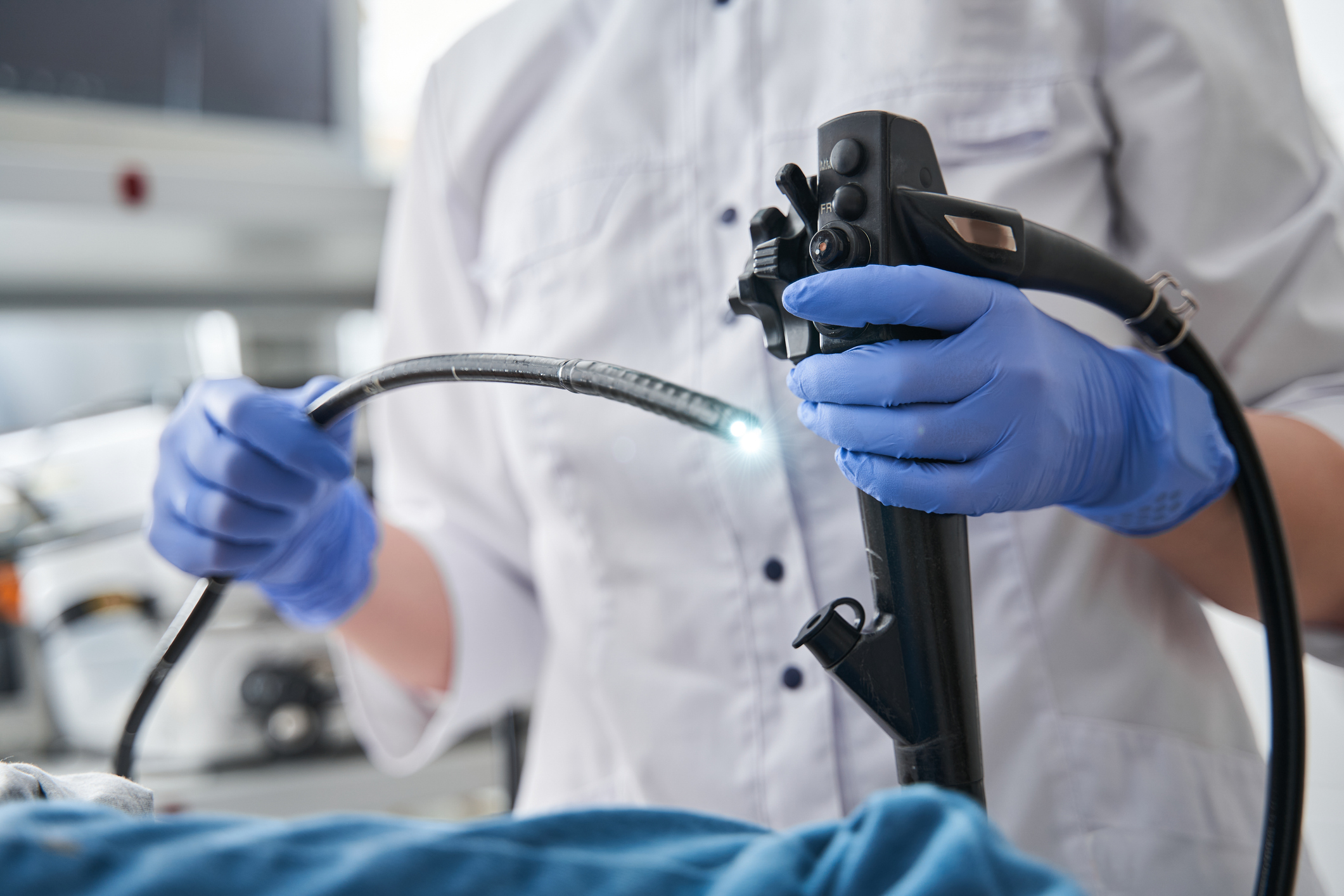
Endoscopy is a diagnostic procedure used in gastroenterology to closely examine the digestive tract and identify conditions that may not be visible through imaging alone. By using a thin, flexible tube equipped with a camera, endoscopy allows a GI doctor to view the lining of the digestive system in real time. This procedure plays an essential role in diagnosing symptoms, guiding treatment decisions, and supporting long-term digestive health.
Endoscopy is commonly recommended when patients experience persistent digestive symptoms such as abdominal pain, difficulty swallowing, unexplained bleeding, or chronic heartburn. It may also be used for preventive evaluation or follow-up care. Many patients seek endoscopic evaluation through trusted practices like Gastro Florida to gain clarity about their symptoms and receive accurate, timely care.
What Is Endoscopy?
Endoscopy is a medical procedure that allows direct visualization of the digestive tract using a specialized instrument called an endoscope. The endoscope contains a light and camera that transmit images to a monitor, enabling detailed examination of the digestive lining.
There are several types of endoscopy, but upper endoscopy is among the most common in gastroenterology. It examines the esophagus, stomach, and upper portion of the small intestine. This procedure helps detect inflammation, ulcers, strictures, bleeding, and other abnormalities that may explain digestive symptoms.
Why Endoscopy Is Used in Gastroenterology
Endoscopy provides valuable information that cannot always be obtained through blood tests or imaging studies alone. It allows a GI doctor to directly observe changes in the digestive tract and assess the severity of disease.
Endoscopy is often used to investigate symptoms such as chronic heartburn, persistent nausea, unexplained vomiting, abdominal pain, difficulty swallowing, or gastrointestinal bleeding. It is also used to monitor known conditions and evaluate treatment effectiveness. In some cases, tissue samples can be collected during the procedure to confirm a diagnosis.
What an Upper Endoscopy Can Detect
Upper endoscopy helps identify a wide range of digestive conditions affecting the upper gastrointestinal tract. These may include esophagitis, ulcers, gastritis, hiatal hernia, and narrowing of the esophagus. It is also used to evaluate causes of upper gastrointestinal bleeding.
In addition to diagnosing conditions, upper endoscopy allows for therapeutic interventions. Polyps may be removed, bleeding controlled, or narrowed areas treated during the same procedure. This ability to diagnose and treat simultaneously makes endoscopy a powerful tool in gastroenterology.
Preparing for an Endoscopy
Preparation for endoscopy typically involves fasting for several hours before the procedure to ensure the stomach is empty. Patients may receive specific instructions regarding medications, particularly blood thinners or diabetes medications.
Following preparation instructions closely is important for safety and accuracy. A GI doctor provides detailed guidance to help patients feel comfortable and confident before the procedure. Proper preparation allows for clear visualization and reduces the likelihood of repeat testing.
What to Expect During the Procedure
Endoscopy is usually performed with sedation to ensure patient comfort. During the procedure, the endoscope is gently guided through the mouth and into the upper digestive tract while images are displayed on a monitor.
The procedure itself typically takes less than 30 minutes. Most patients experience little to no discomfort and are monitored closely throughout the exam. Afterward, patients are observed briefly as sedation wears off and are usually able to return home the same day.
Recovery After Endoscopy
Recovery from endoscopy is generally quick. Patients may experience mild throat irritation or grogginess from sedation, which usually resolves within a few hours. Normal eating and activities can often be resumed later the same day, depending on the provider’s instructions.
Results may be discussed immediately following the procedure, or during a follow-up visit if biopsies were taken. A GI doctor explains findings clearly and outlines any recommended next steps or treatment options.
Endoscopy and Preventive Care
Endoscopy is not only used to diagnose symptoms but also plays a role in preventive care. It helps detect early changes in the digestive tract that may progress if left untreated. Identifying issues early allows for timely intervention and improved outcomes.
For patients with chronic conditions or risk factors, periodic endoscopy may be recommended as part of ongoing gastroenterology care. Preventive evaluation supports long-term digestive health and provides reassurance for patients.
When Endoscopy Is Recommended
A GI doctor may recommend endoscopy when symptoms persist despite treatment, worsen over time, or raise concern for underlying disease. Warning signs such as difficulty swallowing, unexplained weight loss, anemia, or gastrointestinal bleeding often warrant further evaluation.
Endoscopy may also be recommended to monitor existing conditions or assess response to treatment. Personalized recommendations are based on symptoms, medical history, and overall digestive health.
Endoscopy as Part of Comprehensive GI Care
Endoscopy is one component of a broader gastroenterology care plan. It works alongside laboratory testing, imaging, and clinical evaluation to provide a complete picture of digestive health.
Patients benefit from coordinated gastroenterology services that integrate diagnostic procedures, treatment, and follow-up care. This comprehensive approach ensures accurate diagnosis and effective long-term management.
Addressing Common Concerns About Endoscopy
Many patients feel anxious about endoscopy due to uncertainty about the procedure. Education and clear communication help reduce fear and improve the experience. Advances in sedation and technology have made endoscopy safer and more comfortable than ever.
Understanding the purpose and benefits of endoscopy often reassures patients and encourages timely evaluation. The information gained from the procedure frequently outweighs the temporary inconvenience.
The Role of Endoscopy in Long-Term Digestive Health
Endoscopy supports long-term digestive health by enabling early diagnosis and guiding treatment decisions. It helps identify conditions before they progress and allows for targeted intervention when needed.
Ongoing gastroenterology care may include repeat endoscopy based on individual risk factors and health needs. Regular monitoring supports stability and helps patients maintain confidence in their digestive health.
Taking an Active Role in Digestive Wellness
Being proactive about diagnostic evaluation empowers patients to address digestive concerns early. Endoscopy provides clarity and direction, helping patients and GI doctors work together toward effective solutions.
By understanding when endoscopy is appropriate and following recommended care plans, individuals can protect their digestive system and support overall wellness.
Take the Next Step
If you are experiencing digestive symptoms or are due for preventive screening, professional gastroenterology care can make a meaningful difference. Learn more about available services or schedule an appointment by visiting https://gastrofl.com/
Citations
- American College of Gastroenterology – Endoscopy
https://gi.org/topics/endoscopy/ - National Institute of Diabetes and Digestive and Kidney Diseases – Upper Endoscopy
https://www.niddk.nih.gov/health-information/diagnostic-tests/upper-gi-endoscopy - Mayo Clinic – Endoscopy
https://www.mayoclinic.org/tests-procedures/endoscopy/about/pac-20395197
For education only, not medical advice.
 Close
Close