



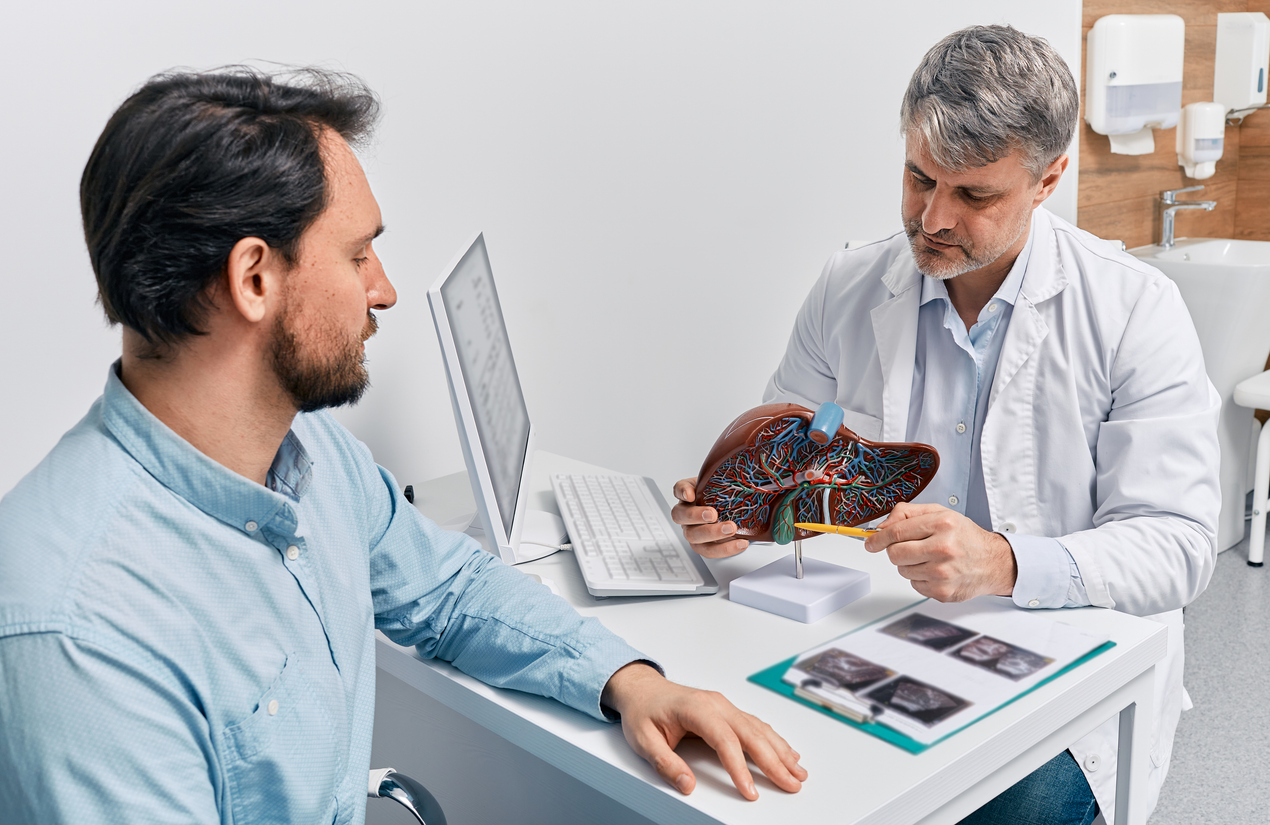
Gallbladder disease is a common digestive condition that affects how the body processes fats and can lead to significant abdominal discomfort when left untreated. The gallbladder is a small organ located beneath the liver that stores bile, a digestive fluid released into the small intestine to help break down dietary fats. When the gallbladder does not function properly, digestive symptoms can develop and interfere with overall digestive health. Early evaluation by a GI doctor is important to prevent complications and manage symptoms effectively.
Gallbladder disease often develops gradually and may go unnoticed until symptoms become more severe. Gastroenterology focuses on identifying gallbladder problems early, determining the underlying cause, and recommending appropriate treatment. Many patients seek care through experienced practices such as Gastro Florida to receive accurate diagnosis and coordinated digestive care.
What Is Gallbladder Disease?
Gallbladder disease refers to a group of conditions that affect the gallbladder’s ability to store and release bile. One of the most common forms involves gallstones, which are hardened deposits of digestive fluid that can form inside the gallbladder. These stones can block bile flow and cause pain or inflammation.
Other forms of gallbladder disease may involve inflammation of the gallbladder, infection, or problems with gallbladder emptying. Regardless of the specific type, gallbladder disease can disrupt digestion and lead to recurring abdominal symptoms.
Common Symptoms of Gallbladder Disease
Symptoms of gallbladder disease vary depending on the severity and underlying cause. Many patients experience pain in the upper right abdomen, particularly after eating meals that are high in fat. This pain may radiate to the back or right shoulder and can range from mild discomfort to intense, sudden episodes.
Additional symptoms may include nausea, vomiting, bloating, indigestion, or a feeling of fullness after meals. In some cases, fever or jaundice may occur, signaling a more serious issue that requires prompt medical evaluation. Because these symptoms can overlap with other digestive conditions, assessment by a GI doctor is important for accurate diagnosis.
The Role of Gallstones
Gallstones are one of the leading causes of gallbladder disease. They form when bile contains too much cholesterol or bilirubin, or when the gallbladder does not empty properly. Gallstones may remain silent for years or suddenly cause symptoms if they block bile ducts.
When gallstones obstruct bile flow, they can trigger inflammation and pain, often referred to as a gallbladder attack. Gastroenterology care focuses on identifying gallstones and determining whether treatment or monitoring is needed based on symptom severity and risk factors.
How Gallbladder Disease Affects Digestion
The gallbladder plays a key role in fat digestion by releasing bile into the small intestine during meals. When gallbladder disease interferes with bile flow, digestion of fatty foods becomes less efficient. This can lead to bloating, discomfort, and changes in bowel habits.
Over time, ongoing gallbladder problems can strain the digestive system and reduce quality of life. Addressing gallbladder disease early helps restore digestive balance and prevent further complications.
Diagnosing Gallbladder Disease
Diagnosis typically begins with a review of symptoms and medical history. A GI doctor may recommend imaging studies, such as ultrasound, to evaluate the gallbladder and identify gallstones or signs of inflammation. Blood tests may also be used to assess liver function and detect infection or bile duct obstruction.
Accurate diagnosis is essential for determining the most effective treatment approach. Gastroenterology care ensures that gallbladder disease is distinguished from other causes of abdominal pain and digestive symptoms.
Treatment Options for Gallbladder Disease
Treatment for gallbladder disease depends on the severity of symptoms and underlying cause. Some patients with mild symptoms may benefit from dietary changes and monitoring. Reducing fatty food intake can help minimize symptom flare-ups and support digestion.
In cases where gallstones cause frequent pain or complications, surgical removal of the gallbladder may be recommended. This procedure is commonly performed and allows bile to flow directly from the liver to the small intestine. A GI doctor works with patients to determine the most appropriate treatment based on individual needs and health history.
Patients benefit from coordinated gastroenterology services that support diagnosis, treatment planning, and follow-up care.
Nutrition and Gallbladder Health
Diet plays an important role in managing gallbladder disease. High-fat meals can trigger symptoms by increasing the demand for bile release. Gastroenterology care often includes guidance on balanced eating patterns that support digestion and reduce gallbladder strain.
Rather than extreme dietary restrictions, a GI doctor helps patients adopt sustainable nutritional habits that promote digestive comfort and overall health.
Risk Factors for Gallbladder Disease
Several factors increase the risk of developing gallbladder disease, including age, body weight, rapid weight loss, and certain medical conditions. Hormonal changes and family history may also play a role.
Understanding risk factors allows patients and providers to take preventive steps when possible. Gastroenterology care emphasizes early evaluation and proactive management for individuals at higher risk.
When to See a GI Doctor
Patients should seek evaluation by a GI doctor if they experience recurring upper abdominal pain, nausea after meals, or symptoms that worsen over time. Sudden severe pain, fever, or yellowing of the skin or eyes require immediate medical attention.
Early consultation helps confirm the diagnosis and prevents complications such as infection or bile duct blockage. Timely care often leads to better outcomes and improved digestive comfort.
Long-Term Outlook for Gallbladder Disease
Many people with gallbladder disease experience significant relief once the condition is properly managed. For those who require gallbladder removal, digestion typically adapts well over time with minimal long-term impact.
Ongoing gastroenterology care supports recovery, symptom monitoring, and long-term digestive health. With appropriate treatment, most patients are able to return to normal activities and eating patterns.
Supporting Digestive Health
Managing gallbladder disease is an important part of maintaining overall digestive wellness. Healthy eating habits, regular physical activity, and prompt attention to symptoms all contribute to improved outcomes.
By addressing gallbladder disease within a comprehensive digestive health framework, gastroenterology care helps patients reduce discomfort and protect long-term health.
Take the Next Step
If you are experiencing digestive symptoms or are due for preventive screening, professional gastroenterology care can make a meaningful difference. Learn more about available services or schedule an appointment by visiting https://gastrofl.com/
Citations
- American College of Gastroenterology – Gallstones and Gallbladder Disease
https://gi.org/topics/gallstones/ - National Institute of Diabetes and Digestive and Kidney Diseases – Gallstones
https://www.niddk.nih.gov/health-information/digestive-diseases/gallstones - Mayo Clinic – Gallbladder Disease
https://www.mayoclinic.org/diseases-conditions/gallstones/symptoms-causes/syc-20354214
For education only, not medical advice.
 Close
Close