



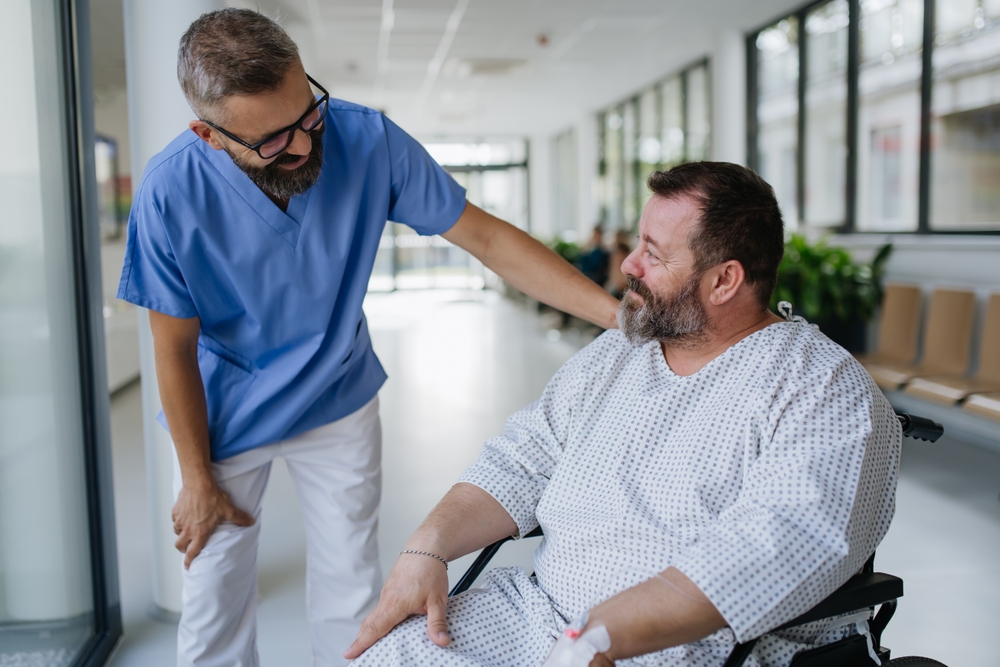
Gastroparesis treatment begins with understanding why your stomach is slow and then using daily, doable steps to move food along. When the stomach empties too slowly, meals linger, causing fullness, nausea, bloating, early satiety, and sometimes vomiting or erratic blood sugars. Relief comes from a combination of meal strategy, medications, nutrition support, and—when needed—procedures that improve emptying. At Gastro Florida, we confirm the diagnosis, personalize your plan, and coordinate follow-up so you can stop guessing and start feeling better.
If you are ready for a tailored plan, review our digestive services and choose a nearby clinic from our locations directory. For trustworthy background, see the NIDDK overview of gastroparesis and the American College of Gastroenterology’s patient guide.
What gastroparesis is—and why speed matters
Gastroparesis means delayed gastric emptying without a mechanical blockage. Diabetes, viral illness, surgery, medications that slow motility, and autoimmune or neurologic conditions can all contribute. Because food sits longer than it should, gas and acids build, liquids separate from solids, and the stomach’s rhythm becomes irregular. Quick recognition matters: early gastroparesis treatment reduces unnecessary ER visits, prevents weight loss and dehydration, and protects glucose control in people with diabetes.
Common symptoms and red flags
Typical symptoms include early fullness, bloating, upper abdominal discomfort, nausea, vomiting undigested food hours after a meal, and wide swings in appetite. Some people notice weight loss or poor tolerance of high-fat or high-fiber meals. Red flags—such as vomiting that prevents fluids, severe abdominal pain, black or bloody stools, high fevers, or signs of diabetic ketoacidosis—need urgent care. Otherwise, starting a structured plan now can bring fast improvements.
How clinicians confirm the diagnosis
We combine history, exam, and targeted tests:
- Upper endoscopy to rule out ulcers, strictures, or retained food that could mimic gastroparesis. Patient-friendly explanations are available from the American Society for Gastrointestinal Endoscopy.
- A standardized solid-meal scintigraphy, often called a gastric emptying study, measures how quickly a test meal leaves the stomach over four hours. This is the most commonly used diagnostic test.
- In select cases, alternatives like breath testing or a wireless motility capsule help define patterns when scintigraphy is not feasible.
- Labs and imaging evaluate contributors: thyroid disease, electrolyte disturbances, celiac disease, or medication effects.
Clear testing prevents mislabeling other problems as gastroparesis and focuses your gastroparesis treatment where it will help most.
10 fast moves that make gastroparesis treatment work
- Shift to small, frequent meals
Six mini-meals are easier to move than three large ones. Aim for portions that fit in your cupped hand. This single change reduces pressure, nausea, and reflux in many people within days. - Favor soft textures and blended options
Smooth soups, yogurt, kefir, eggs, mashed potatoes, well-cooked cereals, tender fish, tofu, and smoothies pass more easily than dense solids. If you blend meals, keep fat modest and sip slowly. - Lower fat and adjust fiber—without undernourishing
Fat and roughage slow emptying. Use lean proteins and cook vegetables until very soft; peel and deseed produce. Avoid raw salads and large servings of nuts or seeds during flares. As symptoms improve, reintroduce fiber in small, cooked portions to protect gut health. - Add liquid calories when intake drops
If solids feel difficult, drink nutrition shakes, broths with added protein, or lactose-free milk smoothies. This buffers weight and energy while your stomach calms. - Time liquids around meals
Too much fluid with food may distend the stomach. Sip liquids 30–60 minutes before or after eating. If you need fluids with meals to aid swallowing, keep volumes small. - Use posture and gentle motion
Sit upright during and for 60 minutes after meals. A 10–15 minute walk promotes gastric movement. Avoid lying flat after eating. - Review and revise medications
Opioids, some anticholinergics, GLP-1 receptor agonists, and certain antidepressants can slow emptying. Do not stop prescriptions on your own; bring your full list to your visit so we can adjust safely. The FDA’s medication safety pages offer label summaries you can review with your clinician. - Treat nausea strategically
Rescue options like ondansetron for nausea, and careful use of acid suppressants for overlapping reflux, can break the spiral of poor intake and dehydration while other steps take hold. - Consider prokinetic therapy
Metoclopramide is the only FDA-approved prokinetic for gastroparesis; it enhances gastric contractions and can improve symptoms when used correctly and short term. Your clinician will discuss dosing limits and side effects. Other agents may be considered off-label based on your history. See the ACG patient guide for an overview. - Set a two-week plan with check-ins
A clear, short horizon builds momentum: meal template, meds, movement, and hydration goals. We’ll review your progress and lab trends quickly, then adjust.
Building a practical gastroparesis diet you can live with
The goal is to keep nutrition up while giving the stomach less work. Use this three-stage framework and move forward or backward as symptoms change.
Stage A (flare control, 3–5 days)
- Mini-meals every 2–3 hours
- Soft proteins: eggs, yogurt, fish, tofu, cottage cheese
- Starches: cream of rice or wheat, mashed potatoes, white rice, tender pasta
- Produce: peeled, cooked carrots, zucchini, green beans; small portions of ripe banana or canned peaches
- Liquids: broths, oral nutrition supplements, lactose-free milk or alternatives
- Limits: fried foods, heavy creams, raw produce, tough meats, large salads
Stage B (building comfort, one to two weeks)
- Maintain mini-meals; gently expand textures
- Add oatmeal, soft sourdough toast, poached chicken, turkey meatballs, or flaky baked fish
- Blend vegetable soups (carrot, squash) to smooth texture
- Reintroduce small amounts of healthy fat (olive oil, avocado) with attention to portion size
- Trial small, cooked fruit portions and note tolerance
Stage C (maintenance)
- Gradually add tender vegetables in larger portions; test fiber in cooked forms
- Increase protein variety; add lactose-free Greek yogurt, nut butters in thin layers, or soft legumes (well-cooked lentils)
- Personalize timing: many do well with five meals plus one liquid snack
- Keep two “calm” meal options ready for days when symptoms bump up
This gastroparesis diet emphasizes what you can eat, not just what to avoid. A registered dietitian can tailor calories, protein targets, and micronutrient support so weight and energy climb.
Managing diabetes when stomach emptying is unpredictable
Gastroparesis complicates glucose control because carbohydrate absorption becomes erratic. To smooth the ride:
- Coordinate medication timing and meal spacing with your diabetes clinician.
- Consider smaller, more frequent insulin doses or different delivery strategies if you use insulin.
- Favor consistent carbohydrate amounts in each mini-meal.
- Check glucose more frequently during adjustments; share logs at follow-up.
- Hydrate and avoid large late-night meals that spike overnight readings.
Small changes improve both symptoms and numbers.
When to escalate care: procedures that restore flow
When symptoms persist despite optimized gastroparesis treatment, procedures may help:
- Endoscopic pyloric therapies (such as G-POEM) aim to relax the pylorus and improve emptying in select patients.
- Gastric electrical stimulation may reduce refractory nausea and vomiting in carefully selected cases.
- Feeding jejunostomy tubes provide reliable nutrition when oral intake fails, often as a bridge to recovery or while other treatments take effect.
Your Gastro Florida specialist will discuss risks, benefits, candidacy, and local availability based on your test results and response to medical therapy. The Cleveland Clinic’s gastroparesis summary offers a broad overview you can review while deciding.
A two-week action plan you can copy
Days 1–3: Stabilize
- Switch to Stage A of the gastroparesis diet.
- Small sips between meals; limit fluids with meals.
- Sit upright for an hour after eating; walk 10–15 minutes.
- Start prescribed anti-nausea medicine and, if appropriate, a prokinetic.
- Review your medication list with our team for motility-slowing culprits.
Days 4–7: Build
- Move to Stage B foods if nausea is easing.
- Track meal timing, textures, and symptoms in a one-page log.
- Verify diabetes plan if applicable; adjust with your clinician.
- Aim for a gentle daily walk and set a consistent sleep window.
Days 8–10: Personalize
- Identify two reliable breakfast, lunch, and dinner options that feel consistently good.
- Blend one calorie-dense smoothie daily if weight is low.
- If vomiting persists, call us to discuss medication adjustments or additional testing such as a gastric emptying study.
Days 11–14: Decide and prevent
- If progress is steady, expand to Stage C; test one new texture or food daily.
- If symptoms continue to block progress, we’ll review test results and consider endoscopic or surgical options.
- Save your “good day” template to deploy during busy weeks or minor flares.
Troubleshooting common setbacks
“I feel full after a few bites.”
Start with liquids or blended foods. Pause halfway through the portion, sit upright, and take a short walk. Resume with a few more bites. Consider a prokinetic if not already prescribed.
“I’m losing weight.”
Add two small liquid snacks daily (smoothies, lactose-free shakes, blended soups with protein). Ask about medical nutrition therapy and, if needed, temporary tube feeding to protect weight while your stomach recovers.
“Protein makes me nauseated.”
Try softer proteins—eggs, yogurt, tofu, flaky fish—and avoid dense meats for now. Blend soups to increase tolerance.
“I can’t keep my diabetes steady.”
Shorten the gap between smaller meals, adjust insulin timing, and review options with your diabetes team. Log readings to identify patterns.
“My nausea returns every afternoon.”
Front-load calories earlier in the day, keep the midday meal very small and soft, and use scheduled anti-nausea medicine before that window.
Frequently asked questions
Do I need a gastric emptying study every time symptoms flare?
No. It’s primarily used to establish diagnosis and severity. We repeat it only if results will change management, such as before a procedure.
Will I be on metoclopramide forever?
Often no. Many people use it for a limited period while diet and other measures stabilize symptoms. We balance benefit with potential side effects and discuss alternatives if needed.
Is fiber bad for gastroparesis?
Not inherently. Large amounts of rough, raw fiber are tough during flares, but small portions of cooked, soluble fiber are useful. Reintroduce slowly as comfort returns.
Can I exercise?
Yes—light, regular movement helps emptying and mood. Avoid intense, jarring workouts right after meals.
Do carbonated drinks help or hurt?
They can increase bloating. If you enjoy them, try small amounts between meals rather than with food, or switch to noncarbonated options during flares.
How Gastro Florida personalizes gastroparesis treatment
Your story drives the plan. We start by confirming diagnosis with endoscopy when appropriate and a standardized gastric emptying study. Then we align a gastroparesis diet to your preferences, choose anti-nausea and prokinetic therapies thoughtfully, and coordinate diabetes care if needed. When symptoms persist, we discuss endoscopic or surgical options and ensure nutrition stays on track. You’ll leave with a written, step-by-step plan and rapid follow-up so momentum continues.
Explore our digestive services and select a convenient site in our locations directory to get started.
Authoritative resources
- NIDDK: Gastroparesis—causes, diagnosis, and treatments
https://www.niddk.nih.gov/health-information/digestive-diseases/gastroparesis - ACG: Patient guide to gastroparesis
https://gi.org/topics/gastroparesis/ - ASGE: What to expect with upper endoscopy
https://www.asge.org/home/for-patients/patient-information - FDA: Medicine labels and safety information
https://www.fda.gov/drugs - Cleveland Clinic: Gastroparesis overview
https://my.clevelandclinic.org/health/diseases/15522-gastroparesis
Call to action
You do not have to plan your day around nausea and fullness. With a structured gastroparesis treatment plan—right-sized meals, a realistic gastroparesis diet, targeted medicines, and clear checkpoints—you can reclaim predictability. Schedule your visit with Gastro Florida through our digestive services and find a nearby clinic via our locations directory. We’ll map your next steps together.
Educational only; not medical advice.
 Close
Close