



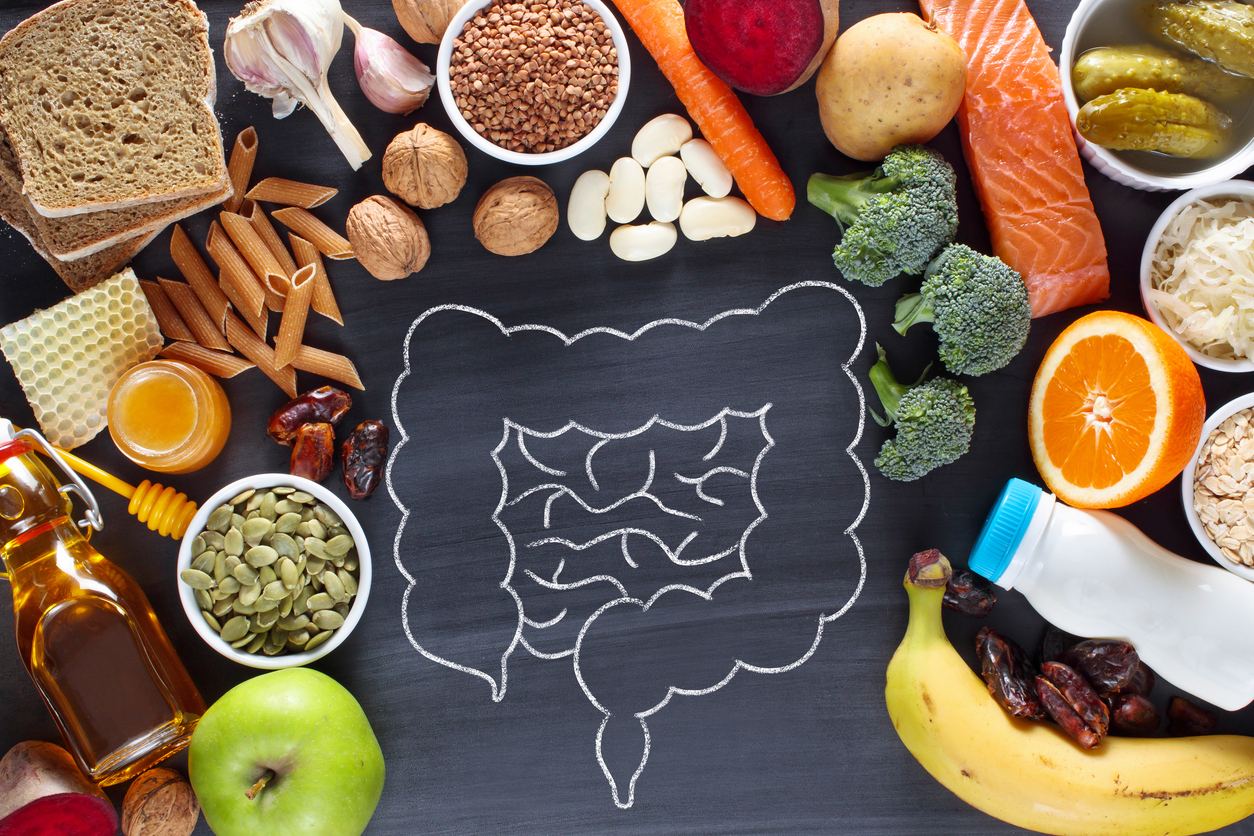
Gut health is about far more than avoiding digestive discomfort. The health of the gastrointestinal tract influences immunity, mental wellbeing, metabolic function, skin health, and even the risk of chronic disease. At the center of this influence is the gut microbiome — a vast community of trillions of microorganisms living in the digestive tract. Understanding how to protect and improve gut health is one of the most impactful investments any adult can make in their long-term wellbeing.
What Is Gut Health?
Gut health refers to the physical condition and functional integrity of the entire gastrointestinal tract, from the esophagus to the rectum. A healthy gut efficiently digests and absorbs nutrients, maintains a protective mucosal barrier, regulates immune responses, and hosts a diverse and balanced microbial community. When any of these functions is disrupted, the consequences extend throughout the body.
The Gut Microbiome: Your Internal Ecosystem
The gut microbiome is a complex community of bacteria, viruses, fungi, and other microorganisms that inhabit the digestive tract, with the vast majority residing in the colon. A healthy microbiome is diverse and balanced, supporting digestion, producing essential vitamins, regulating the immune system, and protecting against harmful pathogens. Disruption of this balance, known as dysbiosis, is linked to a wide range of diseases.
How the Gut Influences Immunity
Approximately 70 percent of the immune system is located in the gut-associated lymphoid tissue. The microbiome plays a central role in training and regulating immune responses, distinguishing harmful pathogens from beneficial microbes and the body’s own tissues. A disrupted microbiome is associated with increased susceptibility to infection, autoimmune conditions, and chronic inflammatory diseases.
The Gut-Brain Connection
The gut and brain communicate continuously through the vagus nerve, hormonal signals, and microbial metabolites via what is known as the gut-brain axis. The gut produces more than 90 percent of the body’s serotonin, making it deeply influential in mood regulation, anxiety, and cognitive function. Disruptions in gut health are increasingly linked to depression, anxiety, and neurodegenerative conditions.
Signs Your Gut Health May Be Compromised
Common signs of poor gut health include frequent bloating, gas, constipation, diarrhea, heartburn, abdominal pain, and food intolerances. Less obvious signs include chronic fatigue, skin problems like eczema or acne, frequent illness, mood disturbances, and difficulty maintaining a healthy weight. These systemic manifestations reflect the far-reaching influence of gastrointestinal health on overall physiology.
Diet and the Gut Microbiome
Diet is the single most powerful modifiable factor influencing gut microbiome composition. A diverse, plant-rich diet high in fiber feeds beneficial bacteria and promotes microbiome diversity. Ultra-processed foods, added sugars, artificial sweeteners, and excessive saturated fat promote the growth of harmful bacterial species and reduce microbiome diversity. Dietary changes can shift microbiome composition within days.
Fiber: The Foundation of a Healthy Gut
Dietary fiber is the primary food source for beneficial gut bacteria. Soluble fiber found in oats, legumes, and fruits forms a gel that supports healthy digestion and feeds microbiome species that produce short-chain fatty acids — compounds critical for colon health and inflammation regulation. Insoluble fiber adds bulk to stool and promotes regular bowel movements. Most Americans consume far less fiber than recommended.
Fermented Foods and Probiotics
Fermented foods such as yogurt, kefir, sauerkraut, kimchi, and kombucha introduce beneficial live bacteria directly into the digestive tract. Regular consumption of fermented foods has been shown to increase microbiome diversity and reduce inflammatory markers. Probiotic supplements can provide targeted strains with specific documented benefits, though the evidence varies by strain and condition.
Prebiotic Foods That Feed Your Microbiome
Prebiotics are non-digestible food components that selectively stimulate the growth of beneficial gut bacteria. Rich sources include garlic, onions, leeks, asparagus, bananas, oats, and chicory root. Unlike probiotics that introduce new bacteria, prebiotics nourish the existing beneficial microbiota. A diet combining both prebiotic and probiotic foods provides the most comprehensive support for microbiome health.
Hydration and Digestive Health
Adequate water intake is essential for maintaining healthy digestion and gut function. Water supports the mucus layer lining the intestinal wall, facilitates nutrient absorption, prevents constipation by softening stool, and helps fiber perform its function effectively. Adults should aim for at least 8 cups of water daily, with higher amounts needed during physical activity, hot weather, or high-fiber diets.
Antibiotic Use and Gut Health
Antibiotics, while lifesaving when necessary, can significantly disrupt the gut microbiome by eliminating both harmful and beneficial bacteria. This disruption can last weeks to months and is associated with digestive side effects, increased susceptibility to C. difficile infection, and longer-term microbiome imbalances. Using antibiotics only when truly necessary and following up with probiotic-rich foods supports microbiome recovery.
Stress, Sleep, and the Gut
Chronic psychological stress alters gut motility, increases intestinal permeability, and shifts microbiome composition toward less beneficial species. Poor sleep has similar effects on the gut-brain axis and microbiome diversity. Managing stress through regular exercise, mindfulness, and social connection, combined with prioritizing sleep quality, creates a foundation for gut health that extends beyond dietary choices alone.
Exercise and Gut Microbiome Diversity
Regular physical activity is independently associated with greater gut microbiome diversity and higher levels of beneficial bacterial species. Exercise increases production of short-chain fatty acids, promotes gut motility, and reduces systemic inflammation. Athletes consistently demonstrate more diverse microbiomes than sedentary individuals, suggesting exercise is a direct contributor to gut ecosystem health.
When Gut Symptoms Require Medical Evaluation
Not all digestive symptoms can be resolved through lifestyle changes alone. Persistent bloating, changes in bowel habits, unexplained weight loss, blood in the stool, chronic abdominal pain, or symptoms that worsen over time require professional evaluation. These symptoms may indicate conditions including inflammatory bowel disease, colorectal cancer, celiac disease, or other conditions requiring gastroenterological assessment.
The Gastroenterologist’s Role in Gut Health
A gastroenterologist is the appropriate specialist to evaluate and manage conditions that affect gut health, from irritable bowel syndrome and inflammatory bowel disease to colorectal cancer screening and microbiome-related conditions. Preventive gastroenterology care, including routine colonoscopy screening and expert evaluation of persistent symptoms, is essential for maintaining long-term digestive health.
Building Lifelong Digestive Wellness
Gut health is not a destination but an ongoing practice. A diet rich in fiber and fermented foods, regular physical activity, adequate hydration, quality sleep, stress management, and timely medical care for digestive concerns all work together to support a healthy gastrointestinal system. Investing in your gut health today has compounding benefits for your immunity, energy, mood, and long-term disease prevention.
Call To Action
If you are experiencing digestive symptoms or are due for preventive screening, professional gastroenterology care can make a meaningful difference. Learn more about available services or schedule an appointment by visiting Gastro Florida.
Citations
NIH – Digestive Diseases and Gut Health
https://www.niddk.nih.gov/health-information/digestive-diseases
CDC – Gut Health Overview
https://www.cdc.gov/genomics/disease/epigenetics.htm
Mayo Clinic – Digestive Health
https://www.mayoclinic.org/healthy-lifestyle/consumer-health/in-depth/digestive-health
For education only, not medical advice.
 Close
Close