



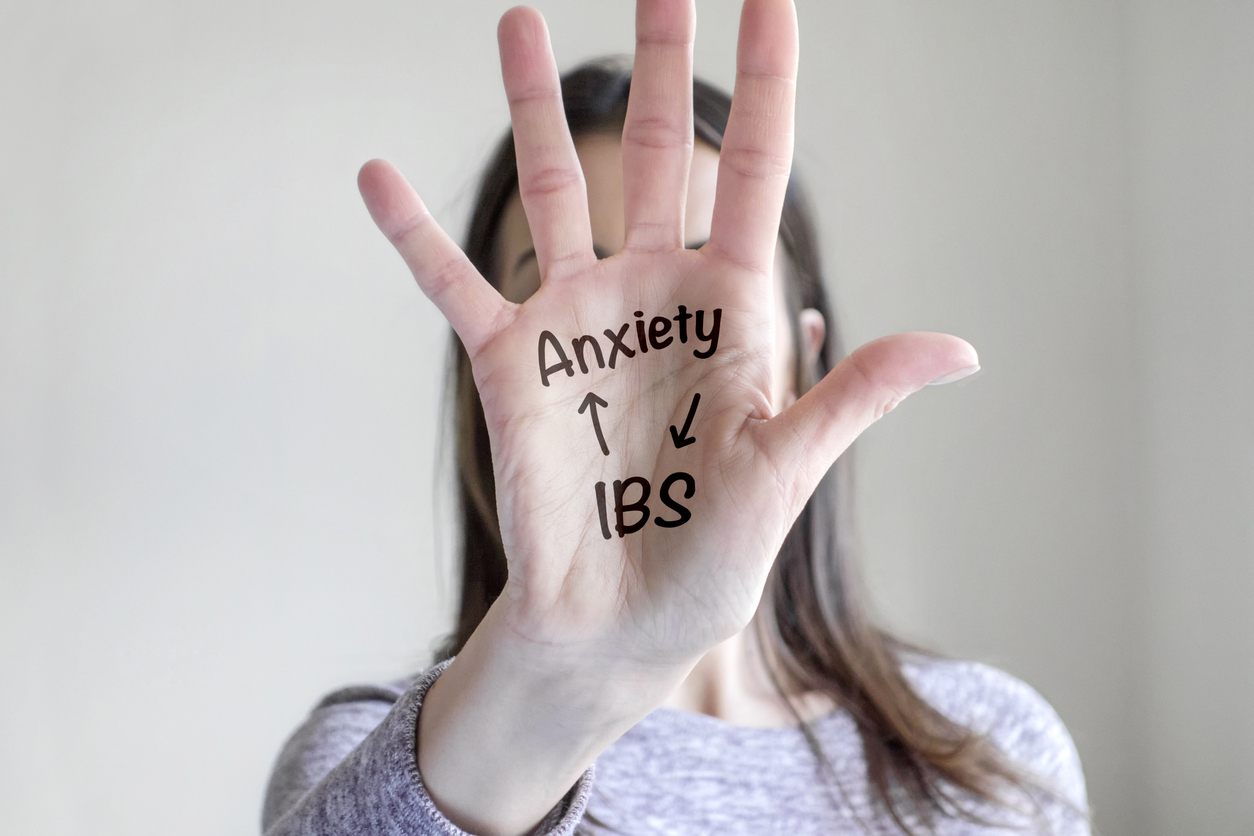
IBS treatment works best when it’s simple, structured, and personalized. Irritable bowel syndrome affects how the gut moves and feels, so the plan has to calm sensitivity, smooth motility, and reduce trigger fermentation. If you’re grappling with cramping, urgent trips, constipation that won’t cooperate, or bloating after “healthy” meals, the right IBS treatment can convert daily guesswork into a practical routine. At Gastro Florida, we confirm the diagnosis, map your triggers, and align nutrition, medication, and stress tools so you can get back to normal days.
To start a tailored plan, browse our digestive services and choose a nearby clinic from our locations directory. For clear background on IBS symptoms and care, see the patient pages from the National Institute of Diabetes and Digestive and Kidney Diseases and the American College of Gastroenterology. Guidance for the low FODMAP diet is led by the Monash University FODMAP program, which pioneered the approach.
IBS symptoms: what they are and why they linger
IBS symptoms include abdominal pain related to bowel movements plus a pattern of diarrhea (IBS-D), constipation (IBS-C), or a mix (IBS-M). Bloating, gas, and a sense that the bowels are never “done” are common. IBS is a disorder of gut–brain interaction: the intestines are more sensitive to stretch, the nerves signal more loudly, and the muscle rhythm can hurry or stall. Stress, hormones, and certain fermentable carbs can amplify signals. IBS treatment doesn’t aim to “cure” a structural lesion; rather, it reduces sensitivity and restores predictable rhythm.
Red flags—blood in stool, unintentional weight loss, fevers, anemia, or symptoms that start after age 50—need evaluation for other conditions before we label symptoms as IBS.
IBS treatment basics: how the plan fits together
Effective IBS treatment is a three-part stack:
- Nutrition tuned to your subtype (and your life)
- Targeted medicines that match your main driver (pain, diarrhea, constipation)
- Stress and habit tools that calm the gut–brain loop
When these align, symptoms drop and your “good days” outnumber the rest.
Step 1: Clarify your subtype (IBS-D, IBS-C, or IBS-M)
A brief history and a symptom diary usually make the pattern clear. IBS-D focuses on urgency and loose stools; IBS-C features hard, infrequent stools and straining; IBS-M swings between the two. Subtype matters because some therapies help one pattern and aggravate another. Your Gastro Florida clinician will tailor IBS treatment by subtype and swap tools if your pattern shifts.
Step 2: Start with food you can actually live with
Food is powerful. For many, a structured trial of the low FODMAP diet reduces gas and water shifts that stretch the bowel and trigger pain. It’s not forever—just a guided experiment:
- Phase 1 (short, 2–6 weeks): temporarily reduce high-FODMAP foods to settle symptoms.
- Phase 2 (reintroductions): test food groups one by one to learn your personal limits.
- Phase 3 (personalization): expand to the broadest, most enjoyable diet that keeps you comfortable.
The Monash program offers evidence-based details and updates; we use its guidance to avoid unnecessary restriction. If FODMAP changes aren’t needed—or if your triggers are more about fat, caffeine, or meal timing—we’ll shape an alternative plan.
Step 3: Match medicines to your main problem
IBS treatment often works best when medicine targets your primary symptom while diet lowers overall “noise.”
- For IBS-D (loose/urgent): loperamide for urgency on high-risk days; bile acid binders if labs or response suggest bile-driven diarrhea; rifaximin for selected patients; antispasmodics for cramping.
- For IBS-C (hard stools): osmotic laxatives such as polyethylene glycol; secretagogues or prokinetics when needed; magnesium (if appropriate) under guidance.
- For pain-predominant symptoms across subtypes: gut-directed antispasmodics, peppermint oil capsules (enteric-coated), and low-dose neuromodulators that quiet visceral hypersensitivity.
Medication choices should be small in number, well-timed, and reviewed regularly so you’re not juggling bottles without a clear reason.
Step 4: Calm the gut–brain loop
The intestine has its own nervous system that talks constantly with the brain. Proven tools include diaphragmatic breathing, brief daily movement, sleep timing, and gut-directed cognitive behavioral therapy (CBT) or hypnotherapy. These don’t replace nutrition or medicine; they boost both. The ACG and NIDDK links above outline how stress flares IBS symptoms and how simple routines restore balance.
15 proven ways to feel better fast
- Eat on a rhythm
Aim for three modest meals and one snack at predictable times. Large, late meals can provoke cramping and reflux. Even spacing helps both IBS-D and IBS-C. - Build a “calm plate” template
Half produce (cooked if you’re sensitive), a palm of protein, and a fist of tolerant starch. Repeat combinations that consistently feel good. - Trial the low FODMAP diet with a pro
Do a short, precise trial; then reintroduce. Avoid turning it into a permanent elimination diet. The goal is knowledge, not restriction. - Pick a breakfast that sets the tone
Overnight oats with lactose-free milk and chia, or eggs with sourdough and sautéed spinach—choose one starter that leaves you comfortable until lunch. - Time coffee with intention
Coffee can stimulate motility. For IBS-D, delay it until after breakfast and limit the second cup; for IBS-C, the morning cup plus a short walk can help. - Hydrate on a schedule
Steady fluids prevent constipation and reduce cramping. Keep a bottle at your desk and take small sips hourly. - Use peppermint oil capsules correctly
Enteric-coated capsules 30–60 minutes before meals can relax smooth muscle. Not for everyone (reflux can worsen), so test and reassess. - Train the diaphragm
Place a hand on your belly and breathe low and slow (4 seconds in, 6 out) for five minutes, twice daily—especially before known trigger meals or meetings. - Walk after meals
A 10–15 minute stroll decreases gas pooling and helps motility across subtypes. - Deploy loperamide strategically (IBS-D)
Use before predictable triggers—long drives, flights, big presentations—not just after symptoms start. Your clinician will set safe dosing. - Choose the right fiber (IBS-C)
Soluble, gentle fibers (psyllium) beat insoluble bran for many. Increase slowly, with water, to avoid extra gas. - Reserve magnesium or osmotics for stuck days (IBS-C)
Magnesium citrate or PEG can help; we’ll discuss dosing and kidney considerations. - Rebuild your sleep window
Short, consistent sleep worsens IBS symptoms. Set a wind-down and protect 7+ hours most nights. - Keep a 7-day log
Track meals, timing, stress, stool form (Bristol scale), and pain. Bring it to your visit; we’ll spot patterns fast. - Plan your “high-risk” day strategy
For weddings, travel, or exams: earlier lighter meals, loperamide (if IBS-D), peppermint or antispasmodic on board, a bathroom map, and a small kit (wipes, spare underwear). Anxiety drops when you have a plan.
IBS-D playbook: urgency under control
If diarrhea dominates, IBS treatment centers on firming stools, calming cramps, and preventing panicked sprints.
- Pre-emptive loperamide before predictable triggers
- Consider a short course of rifaximin under guidance if bloating and loose stools persist despite diet and loperamide
- Evaluate bile acids (post-cholecystectomy, watery stools soon after meals); binders can help when indicated
- Keep carbonation, very high-fat meals, and sorbitol/xylitol gum in check; these are frequent accelerants
If nighttime diarrhea occurs or there’s weight loss or bleeding, we’ll test for other causes before calling it IBS-D.
IBS-C playbook: steady, soft, and predictable
If constipation is the main struggle, IBS treatment aims for soft stools without cramping.
- Soluble fiber (psyllium) titrated slowly, with water
- Osmotic agents (PEG) if fiber alone isn’t enough
- Consider secretagogues or prokinetics when constipation is resistant
- Morning “go” routine: warm drink, 10-minute walk, 5 minutes of diaphragmatic breathing, then toilet time with a footstool
Stool form—not just frequency—becomes your primary gauge. The goal is a comfortable Bristol type 3–4 most days.
Bloating and gas: what actually helps
Bloating is often about gas distribution and sensitivity rather than sheer volume. Low FODMAP adjustments reduce fermentation; slow eating, smaller bites, and avoiding rushed meals lower swallowed air. Gentle twists, short walks, and abdominal breathing redistribute gas. Carbonation and large raw salads are common culprits; test their timing and portion, not just “yes/no.” If bloating persists despite these moves, we’ll consider SIBO testing and other contributors.
Eating out and travel: freedom without the flare
- Scan menus for your “calm plate”: grilled protein, cooked vegetables, and a simple starch.
- Ask for sauces on the side; rich cream or garlic-heavy dressings can be stealth FODMAP bombs.
- For flights, pack safe snacks and consider pre-emptive loperamide (IBS-D) or magnesium timing (IBS-C) per your plan.
- Map restrooms; anxiety fades when logistics are handled.
Supplements and probiotics: what to know
Food first. A few supplements have supportive evidence for select people (peppermint oil, psyllium). Probiotic results are mixed; strains matter, and benefits tend to be modest. If you trial one, change nothing else for two weeks and stop if there’s no clear win. Always share supplements with your clinician—“natural” doesn’t always mean “neutral.”
Mental bandwidth and IBS: the underrated lever
Pain and urgency are exhausting. A short daily routine—two breathing sessions, one 10–15 minute walk after a meal, and a consistent sleep window—lowers baseline arousal so the gut is less reactive. If symptoms tangle with anxiety, gut-directed CBT or hypnotherapy has supportive evidence and can be delivered remotely. The NIDDK and ACG pages linked above explain why brain–gut tools are considered part of medical IBS treatment, not “alternative.”
A 14-day IBS treatment plan you can copy
Days 1–2: Start strong
- Pick a breakfast that gives you a stable morning.
- Begin a short low FODMAP trial (or your agreed nutrition plan).
- Add a 7-day log and two 5-minute breathing sessions daily.
- If IBS-D: plan loperamide before obvious triggers; if IBS-C: start psyllium (½–1 tsp) with water.
Days 3–5: Build momentum
- Walk 10–15 minutes after lunch and dinner.
- Adjust coffee timing per subtype.
- Titrate psyllium up slowly (IBS-C) or reduce excess sorbitol/fructose (IBS-D).
Days 6–7: Tune medications
- Review response; add/adjust antispasmodic, bile binder, osmotic, or peppermint oil as planned.
- If bloating dominates, refine FODMAPs and test portion sizes.
Days 8–10: Personalize
- Start reintroductions if symptoms are clearly better.
- Lock in two “safe” restaurant orders.
- Prepare your high-risk day strategy (wedding, travel, exam).
Days 11–14: Stabilize and schedule
- Save your winning meal template and daily routine.
- Book follow-up via our digestive services and pick a convenient clinic from our locations directory.
- If goals aren’t met, we’ll discuss next-line options (rifaximin, secretagogues, neuromodulators, gut-directed CBT).
Frequently asked questions
Do I need a colonoscopy for IBS?
Not to diagnose IBS itself. We consider colonoscopy based on red flags, age, and screening status. If you’re due for screening, we’ll schedule it and keep IBS treatment moving in parallel.
How long until IBS treatment works?
Many feel better within 1–2 weeks with the right combination; full confidence in triggers takes longer as you reintroduce foods.
Is the low FODMAP diet forever?
No. It’s a short learning phase, then you re-expand to the broadest, most enjoyable diet you tolerate.
Can stress alone cause IBS?
Stress doesn’t cause the condition, but it can amplify symptoms. Gut–brain tools make other treatments work better.
Are lactose and gluten always problems?
Not always. Lactose intolerance is common, but lactose-free dairy may be fine. True celiac disease is a separate diagnosis; if suspected, we test before removing gluten so results are accurate.
How Gastro Florida personalizes IBS treatment
You’ll leave your visit with a one-page IBS treatment plan: nutrition steps (including how to trial and reintroduce the low FODMAP diet), medication timing, breathing and movement routines, and a troubleshoot list for high-risk days. We coordinate any needed testing, adjust the plan quickly based on your 7-day log, and keep follow-ups short and useful. Explore our digestive services and choose a convenient location from our locations directory to begin.
Authoritative resources
- NIDDK: IBS overview—symptoms, diagnosis, treatment
https://www.niddk.nih.gov/health-information/digestive-diseases/irritable-bowel-syndrome - American College of Gastroenterology: IBS patient guide
https://gi.org/topics/irritable-bowel-syndrome-ibs/ - Monash University: Low FODMAP diet guidance and education
https://www.monashfodmap.com/
Call to action
You don’t have to plan your day around the nearest bathroom—or resign yourself to constant bloat. With a structured IBS treatment plan that matches your subtype, uses the low FODMAP diet intelligently, and builds a simple daily rhythm, comfort becomes predictable. Start with our digestive services and book at a nearby clinic via our locations directory. We’ll tailor IBS treatment to your life and get you back to steady days.
Educational only; not medical advice.
 Close
Close