



 Inflammatory Bowel Disease IBD (Crohns & Colitis) Care
Compassionate, fast, and comprehensive IBD care for Crohn’s Disease & Ulcerative Colitis at Gastro Florida
Struggling with ongoing stomach pain, diarrhea, or blood in your stool? You’re not alone—and you don’t have to figure it out by yourself. At Gastro Florida, we diagnose and treat IBD, Inflammatory Bowel Disease, including Crohn’s disease and ulcerative colitis, with a team approach that supports your health, lifestyle, and peace of mind.
What is IBD?
IBD is a chronic inflammation of the digestive tract. The two main types are:
Crohn’s disease: Can affect any part of the gastrointestinal system but most often involves the end of the small intestine and/or colon; may occur in “patches” and can go deeper into the bowel wall.
Ulcerative colitis: Affects the colon (large intestine) and rectum; inflammation is continuous and limited to the inner lining of the colon.
IBD is not the same as IBS (Irritable Bowel Syndrome). Inflammatory Bowel Disease affects gut function without visible inflammation; IBD involves measurable inflammation that can damage the GI tract.
Warning Signs & When to Seek Care
If you have any of the following for more than a few days, schedule a GI visit:
- Persistent diarrhea
- Blood or mucus in the stool
- Cramping or abdominal pain
- Unexplained weight loss or poor appetite
- Fatigue, anemia, or low iron/B12
- Nighttime symptoms that wake you up
- Fever without a clear cause
IBD Treatment Options
Inflammatory Bowel Disease care is not one-size-fits-all. At Gastro Florida, we designed a treat-to-target Biologics Program, focused on getting you well and keeping you well. Our care team surrounds you with the resources, support, and expertise you need to feel better, faster and to stay well long-term.
Here are the comprehensive services and support we provide to every IBD patient who walks through our doors:

New Medications
Today’s IBD treatments are more advanced than ever. We offer new, convenient pill-form (oral) options alongside other state-of-the-art therapies.
For many patients, these oral medications provide an easier alternative to injections or infusions options and develop a personalized treatment plan tailored to your body and without compromising effectiveness. We’ll help you understand your choices and build a treatment plan that works for your body and your lifestyle
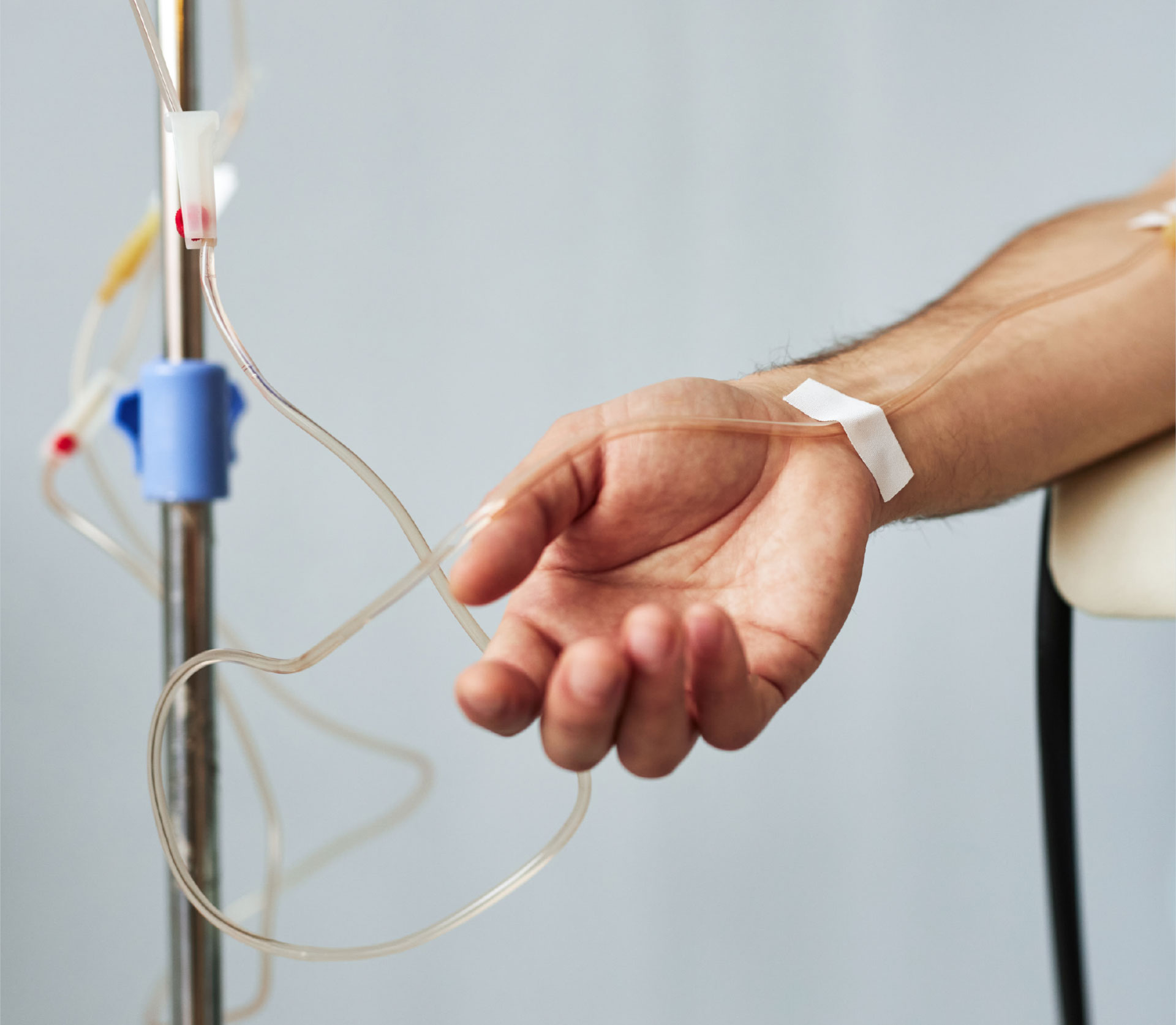
Onsite Infusions
Some biologic medications, such as those administered as pills or subcutaneous injections, require an IV induction phase before maintenance therapy can begin. These infusions are provided in a comfortable, monitored, on-site setting and typically take 30-90 minutes, depending on the medication.
Contact Dilcia at (727) 888-1818 for a convenient office infusion site near you.

Insurance Support
Insurance hurdles can delay care, especially with advanced IBD medications. That’s why our dedicated team handles prior authorizations, appeals, and coverage coordination for you. We take on the paperwork and phone calls so you can focus on your health, not the red tape.

In-House Pharmacy
We offer access to our on-site pharmacy as a resource, making it easier to fill and manage prescriptions. This coordination between your provider and pharmacy helps avoid delays, ensures you get the right medication, and provides direct support if any issues come up.

Nutrition Counseling
IBD and nutrition go hand in hand. Our on-staff nutritionist works with you to create a personalized eating plan—whether you’re in a flare, in remission, or managing nutrient deficiencies like iron or B12. From low-residue diets to re-introducing fiber, we’ll guide you with strategies that fit your lifestyle and support healing.
Learn more about Nutrition & Weight Loss with Gastro Florida »

Financial Assistance
The cost of care should never stand in the way of treatment. We connect patients with manufacturer copay programs, national foundations, and in-house support options to ease the financial burden. Our goal is to make advanced therapies accessible to every patient who needs them.

Faster Appointments
When you’re dealing with IBD symptoms, waiting weeks for care isn’t an option. At Gastro Florida, new IBD patients can often be seen within days. We prioritize fast access so you get answers and relief sooner.

IBD Support Group
Living with Crohn’s or ulcerative colitis is easier when you have support. That’s why we host the IBD Support Group on the second Tuesday of each month at 6 PM, one of only two Florida sites sponsored by the Crohn’s & Colitis Foundation. These sessions offer encouragement, shared experiences, and guidance from a dedicated patient advocate.

Eugene Lisansky
Crohn’s and Colitis Foundation Patient Advisor
Read Eugene’s Bio

IBD Community Support
Gastro Florida is a proud sponsor of the Crohn’s & Colitis Foundation of America (CCFA).
Join us for Tampa Takes Steps April 12th as we raise critical funds that drive inflammatory bowel disease (IBD) research, improve care, and support patients and families. Click the link below to donate to this year’s team.

Clinical Research & Trials
As leaders in IBD care, we actively participate in clinical research and trials and are often among the first sites in the region to enroll patients—giving you early access to innovative therapies before they’re widely available. At Gastro Florida, our principal investigators lead several nationally competitive, multi-site studies, and we’re proud to be a top-enrolling center, including being the first in the country to randomize patients in select trials.

Michael Weiss, M.D.
Clinical Research Director
Read Michael’s Bio
Eugene Lisansky
Crohn’s and Colitis Foundation Patient Advisor
Following a 2004 diagnosis of Crohn’s Disease, Eugene Lisansky did not meet another inflammatory bowel disease (IBD) patient for seven years.
In 2011, the Crohn’s and Colitis Foundation (CCF) initiated patient support group meetings in Tampa Bay, and he attended the very first one. The following year, he completed CCF training as a group facilitator, and has been helping fellow patients learn, cope, and commiserate for 12 years.
In addition to his support group work with CCF, he also serves on the foundation’s “National Patient Advisor Task Force,” as well as the “2024 Challenges in IBD” research patient advisory committee. Along with the nation’s leading medical experts and scientists, actual IBD patients are helping guide the foundation’s research efforts over the next five years. These volunteer activities are thrilling and he enjoys bringing his first-hand experience of 20 years as a patient, and over 10 years as a support group leader, to the table.
This committee has given a new voice to patients and helps them to feel that their voices ARE being heard. As with all CCF initiatives, patient support is the number one priority.
The Crohn’s & Colitis Foundation has been with Mr. Lisansky every step of the way since the beginning of his journey. Besides sustaining patient support groups, the CCF also hosts educational events for both patients and physicians, sponsors millions of dollars in scientific research, and actively lobbies on behalf of the IBD community.
Their biggest annual fundraising event, the Tampa Bay Take Steps Walk, brings together thousands of patients, parents, siblings, and supporters on the quest to conquer inflammatory bowel disease.
This year, Eugene is proud to be the Captain of the patient support group walk team, the digestively-named “Chyme Travelers.”
Why Choose Gastro Florida for Inflammatory Bowel Disease, Crohn's Disease and Ulcerative Colitis?
- Access to the Latest Therapies & Clinical Trials
- Comprehensive Treatment Plans
- State-of-the-Art Technology and Facilities
- Free & convenient Testing at our Lab
- Transportation & Food Assistance
- Free Education and Support Groups
- Dental Resources
- Discounted Nutritional Counseling, Meal Planning and Weight Loss Services
Meet Our Program Manager
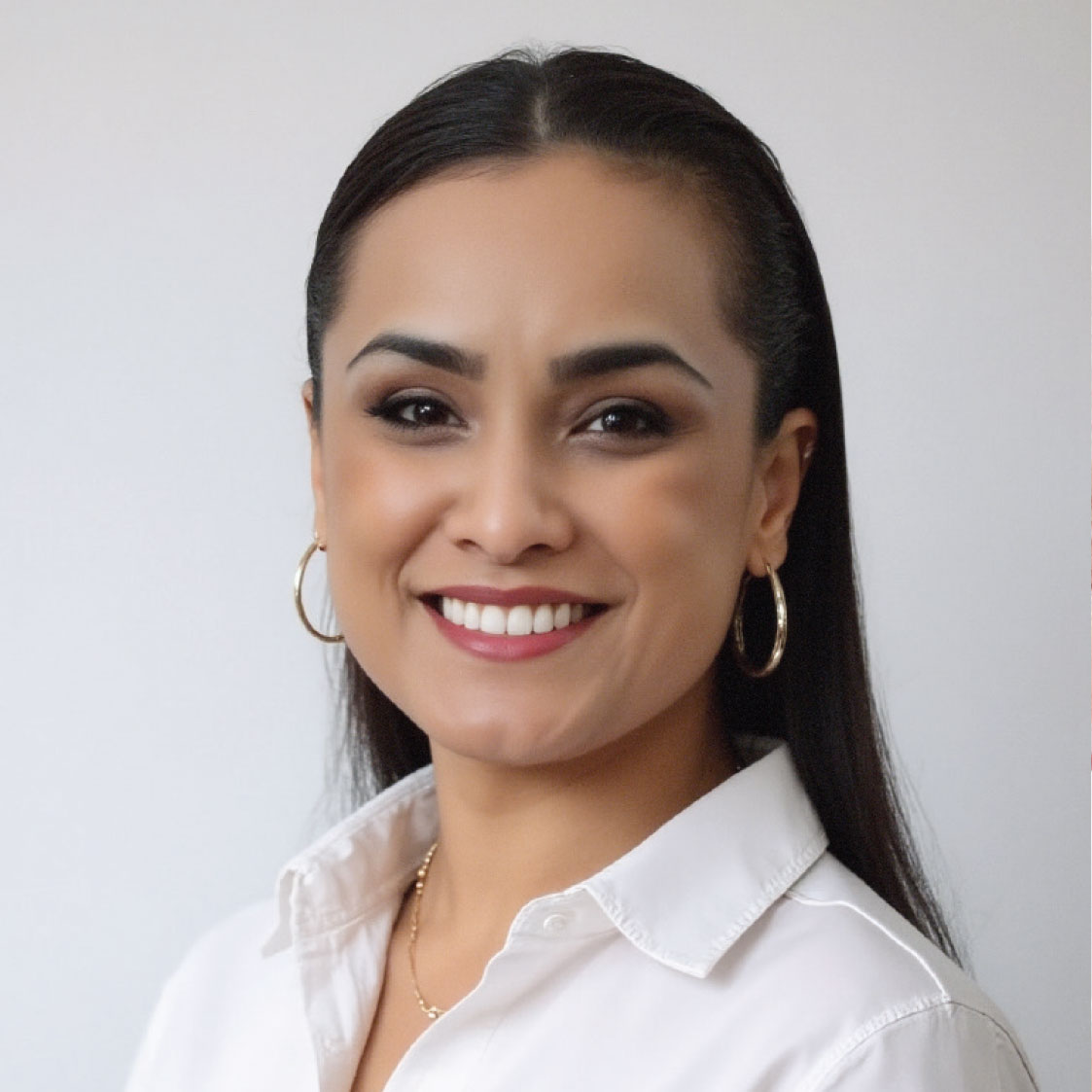
Dilcia Hernandez
dehernandez@gastrofl.com
(727) 888-1818
HIV Testing Lab Location
3901 66th Street N.
Suite 202
St. Petersburg, FL 33709
Get Directions
What to Expect at Your First Visit
Before Your Visit
Bring prior records, medication list, and insurance card.
During Your Visit
Your provider will listen, explain, and create a clear plan.
After Your Visit
Our staff helps with authorizations, pharmacy coordination, and follow-up.
Ready to Feel Better?
Early treatment makes all the difference. Whether you need a diagnosis, new treatment options, or a second opinion, Gastro Florida is ready to help.
To learn more about the program, click here to email Dilcia Hernandez or call (727) 888-1818 for a Gastro Florida provider near you.
Schedule a consultation to discuss your Crohn’s disease and ulcerative colitis concerns with a specialist today.
If this is an emergency, call 911 or go to the nearest emergency room.
Frequently Asked Questions
What is inflammatory bowel disease (IBD)?
Inflammatory bowel disease (IBD) is a group of chronic conditions that cause ongoing inflammation in the digestive tract. The two main types of IBD are Crohn’s disease and ulcerative colitis. IBD is a lifelong condition that requires ongoing medical management to control symptoms, reduce inflammation, and prevent complications.
What is the difference between Crohn’s disease and ulcerative colitis?
Crohn’s disease can affect any part of the digestive tract and inflammation may occur in patches and involve deeper layers of the bowel wall. Ulcerative colitis affects only the colon and rectum and causes continuous inflammation limited to the inner lining of the colon.
What are the common symptoms of IBD?
Common symptoms of inflammatory bowel disease include:
- Chronic diarrhea
- Abdominal pain or cramping
- Rectal bleeding or blood in the stool
- Fatigue
- Unintended weight loss
- Urgency to have a bowel movement
Symptoms can vary in severity and may flare up and improve over time.
What causes inflammatory bowel disease?
The exact cause of IBD is not fully understood, but it is believed to involve a combination of immune system dysfunction, genetics, and environmental factors. In IBD, the immune system mistakenly attacks the digestive tract, leading to chronic inflammation.
How is IBD diagnosed?
IBD is diagnosed using a combination of:
- Medical history and symptom evaluation
- Blood and stool tests to detect inflammation
- Imaging studies such as CT or MRI scans
- Colonoscopy or endoscopy with biopsy
A gastroenterologist plays a key role in accurately diagnosing Crohn’s disease or ulcerative colitis.
Is inflammatory bowel disease curable?
There is currently no cure for IBD, but many patients achieve long-term remission with proper treatment. Modern therapies can significantly reduce inflammation, control symptoms, and improve quality of life.
What treatment options are available for IBD?
Treatment for inflammatory bowel disease depends on disease severity and may include:
- Anti-inflammatory medications
- Immune-modulating drugs
- Biologic therapies
- Nutritional support
- Lifestyle and dietary management
- Surgery in severe or complicated cases
An individualized treatment plan is essential for long-term disease control.
What are the biologic therapies for IBD?
Biologic therapies are advanced medications that target specific parts of the immune system responsible for inflammation. They are commonly used for moderate to severe IBD and have been shown to help induce and maintain remission while reducing complications.
Can diet affect IBD symptoms?
Yes. While diet does not cause IBD, certain foods can worsen symptoms during flare-ups. Many patients benefit from personalized dietary guidance to help reduce symptoms, improve digestion, and support overall gut health.
What is an IBD flare-up?
An IBD flare-up occurs when symptoms worsen due to increased inflammation. Flare-ups may be triggered by infections, stress, medication changes, or dietary factors. Early medical intervention can help control flares and prevent complications.
How does IBD affect long-term health?
If left untreated, IBD can lead to complications such as strictures, fistulas, malnutrition, anemia, or an increased risk of colon cancer. Regular monitoring and ongoing care with a gastroenterology specialist are essential for long-term health.
When should I see a gastroenterologist for IBD care?
You should see a gastroenterologist if you experience persistent digestive symptoms such as chronic diarrhea, abdominal pain, or blood in your stool, or if you have been diagnosed with Crohn’s disease or ulcerative colitis and need ongoing management.
Can I live a normal life with inflammatory bowel disease?
Many people with IBD live full, active lives. With proper medical care, lifestyle adjustments, and regular monitoring, symptoms can often be well controlled, allowing patients to work, travel, and enjoy daily activities.
Ask A Question
Reach out to Dilcia by email or use the form below for any questions you may have.
Downloadable Resources
To help you take control of your health, we’ve created these free tools:
IBD Symptom Tracker
Use our download to keep track of your symptoms to see how inflammatory bowel diseases (IBD) is affecting you.
IBD Shared Decision-Making
IBD Protocol Patient Handout
Giving you the power to protect your peace of mind through early detection, essential testing and established support.
 Close
Close