



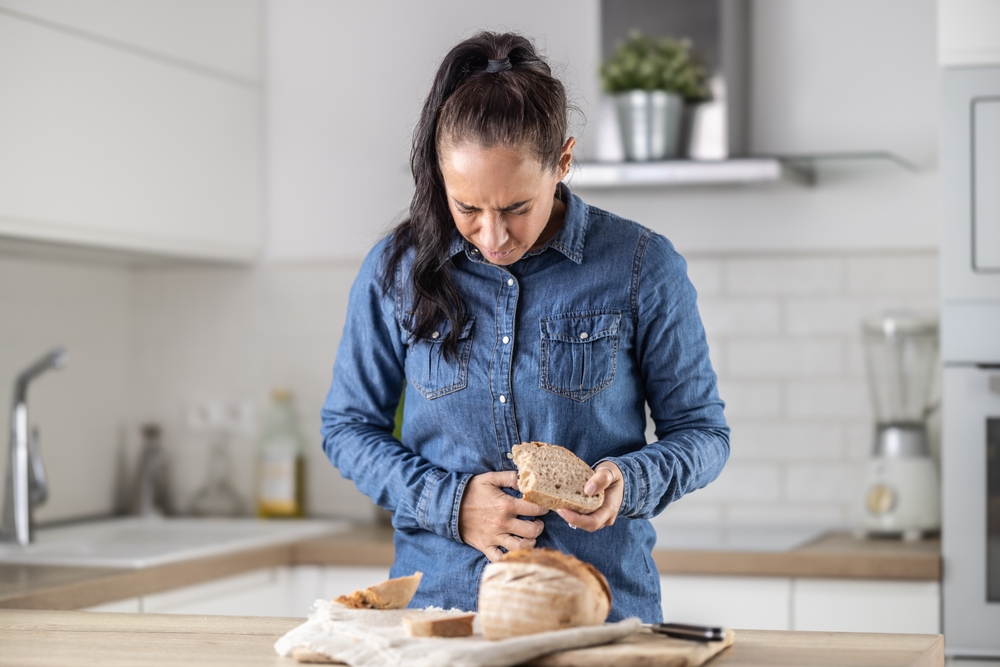
Ulcerative colitis causes the lining of the colon to become inflamed and sore, leading to cramping, urgency, blood or mucus in the stool, fatigue, and weight changes. When a UC flare hits, the goal is to reduce inflammation quickly, protect nutrition and hydration, and prevent complications—then maintain remission with a realistic routine. At Gastro Florida, we align treatment with your daily life: medication timing you can keep, nutrition that works during and after a UC flare, and clear checkpoints so you always know your next step. If you’re ready for tailored care, start with our digestive services and choose a convenient clinic from our locations directory.
Ulcerative colitis basics: what it is and how it behaves
Ulcerative colitis is a chronic inflammatory condition that affects the colon and rectum. Inflammation starts in the rectum and can extend proximally in a continuous pattern. Symptoms often ebb and flow—periods of remission punctuated by flares. Because the inflammation is superficial (limited to the mucosa), treatments that bathe the lining—such as rectal mesalamine—can be uniquely effective for certain patterns, while oral or systemic options address more extensive disease. Evidence-based overviews from the National Institute of Diabetes and Digestive and Kidney Diseases and the Crohn’s & Colitis Foundation explain causes, symptoms, and standard therapies in patient-friendly language.
How to recognize a UC flare early
A UC flare often begins with subtle changes: more urgency, looser or more frequent stools, streaks of blood or mucus, cramping that doesn’t fade after a bowel movement, or a creeping fatigue that feels out of proportion. You might also notice low-grade fever, night trips to the bathroom, or abdominal discomfort that localizes to the left side. Track these signs for two to three days; if symptoms continue or escalate, contact your clinician. Early intervention—especially optimizing mesalamine and topical therapy—can shorten the flare and prevent steroid exposure.
15 proven ways to calm a UC flare
- Prioritize mesalamine adherence
If mesalamine is part of your plan, take it exactly as prescribed. For mild-to-moderate disease, guideline-backed dosing involves both oral mesalamine and, when rectal symptoms are present, rectal mesalamine (suppositories or enemas). Combining oral and topical forms often works faster than either alone, especially for proctitis or left-sided disease. The American College of Gastroenterology offers a helpful patient overview of this approach. - Add rectal therapy even if you’re on pills
Rectal inflammation drives urgency and bleeding. Topical medications put medicine directly where inflammation is active, speeding relief without adding systemic side effects. - Coordinate steroid use wisely
If symptoms are moderate to severe or not improving, a short, clinician-directed steroid course can reduce inflammation quickly. Use the lowest effective dose for the shortest period, with a clear taper and a plan to transition back to nonsteroid maintenance. - Check for triggers and infections
New urgency and bleeding can mimic infections like C. difficile. Share recent antibiotic use or sick contacts. Your clinician may order stool tests before escalating therapy. - Use a flare-friendly eating pattern
Shift to smaller, more frequent meals; emphasize gentle proteins (eggs, yogurt, tofu, fish, tender chicken); and choose low-residue carbohydrates (white rice, potatoes without skins, sourdough toast, oatmeal if tolerated). Peel and cook vegetables; opt for ripe bananas or canned peaches for fruit. Reintroduce fiber slowly after symptoms settle. - Hydrate on a schedule
Aim for steady fluids—water, broths, oral rehydration solutions—as diarrhea and bleeding increase fluid and mineral losses. Sip consistently rather than guzzling large amounts at once. - Protect iron and B-12 stores
If bleeding is frequent or fatigue climbs, ask about iron studies and B-12. Correcting deficiencies improves energy and supports healing. - Simplify your day to reduce stress load
Stress doesn’t cause UC, but it can amplify symptoms. Carve out brief breathing breaks, short walks, or guided relaxation. Better sleep reduces next-day urgency. - Review medicines that aggravate the gut
Nonsteroidal anti-inflammatory drugs, certain antibiotics, and new supplements can irritate the lining. Don’t stop necessary prescriptions on your own; bring your full list to your visit so we can adjust safely. - Keep a two-week symptom log
Note stool frequency, visible blood, urgency, abdominal pain, weight, and temperature once daily. This log helps your Gastro Florida team adjust meds precisely. - Plan bathroom logistics
A travel pack with wipes, barrier ointment, hand sanitizer, and spare underwear eases stress during a UC flare. Reducing anxiety around access can lessen urgency spirals. - Vaccinate and prevent infections
If you take immune-modifying medicines, stay current on recommended vaccines (non-live when appropriate). The CDC adult immunization schedule clarifies timing, including for immunocompromised patients. - Know when to escalate therapy
If mesalamine isn’t enough or steroids are needed repeatedly, your clinician may suggest immunomodulators, biologics, or small molecules. Discuss goals—rapid control, mucosal healing, steroid-sparing—and logistics like injection schedules. - Plan colon cancer surveillance early
Long-standing ulcerative colitis raises colon cancer risk. Surveillance colonoscopy starts at a disease-specific interval and continues regularly. Learn how we schedule and perform screening on our colon cancer screening page. - Set a follow-up appointment before you leave
A booked visit keeps momentum. Use our locations directory to choose a site that fits your schedule, then confirm your time through our office team.
Mesalamine: why delivery route matters
Mesalamine works by bathing the colon lining in anti-inflammatory medicine. Different formulations release at specific pH levels or locations to target the colon uniformly. For rectal symptoms, suppositories aim at the rectum; enemas cover the left colon up to the splenic flexure. Many people do best with combination therapy during a flare, then step down to a maintenance dose once remission returns. If you’ve tried “a mesalamine” before without success, it may have been the wrong dose, route, or adherence pattern—details we can refine together using ACG-aligned strategies.
When to consider advanced therapies
If disease is moderate to severe, steroid-dependent, or refractory to mesalamine, you may benefit from biologic or small-molecule therapies. Options include anti-TNF agents, anti-integrin therapies, anti-IL-12/23 or anti-IL-23 agents, and JAK inhibitors. Each class balances speed of action, mode of delivery, monitoring needs, and specific side effects. We tailor choices to your history, preferences (infusion center vs. at-home injections vs. pills), and risk profile. Trusted overviews from the Crohn’s & Colitis Foundation can help you compare options while we craft your plan.
Eating during a flare vs. eating for remission
During a UC flare, the priority is comfort and hydration: softer textures, lower insoluble fiber, and smaller portions. As inflammation calms, shift toward a Mediterranean-style pattern: cooked vegetables, whole grains you tolerate, lean proteins, olive oil, and fermented dairy or plant alternatives for gut-friendly nutrients. If dairy worsens symptoms, choose lactose-free options. Avoid long fasts followed by very large meals; even distribution reduces urgency. A registered dietitian can personalize calories and micronutrients so you maintain weight and energy while you heal.
Movement, sleep, and stress control
Gentle walking can decrease cramping and ease stress. Aim for short, frequent sessions rather than intense workouts during flares. Keep a consistent sleep window; elevate your legs briefly during the day if fatigue runs high. Even five minutes of paced breathing can lower sympathetic activation that worsens urgency. Small, repeatable habits help medications work better.
Red flags that need urgent evaluation
Seek urgent care if you have severe abdominal pain, fever above 101.5°F, signs of dehydration, rapid heart rate, persistent vomiting, confusion, marked abdominal distention, or continuous heavy bleeding. These can signal severe colitis, toxic megacolon, or infection. Prompt evaluation shortens the path to safety. For clear background on complications and when to act, the NIDDK IBD resources provide reliable patient education you can share with family.
Colon cancer surveillance and why it matters
Inflammation over years raises risk for colorectal cancer. Surveillance colonoscopy uses careful inspection (often with dye-spray or advanced imaging) and targeted biopsies to find precancerous changes early. We determine your start time based on how long you’ve had ulcerative colitis, how much of the colon is involved, and family risk. To get on the calendar, review our colon cancer screening page and book through the office closest to you via our locations directory.
A two-week plan you can copy
Days 1–3
• Confirm flare signs; call your clinician.
• Begin combined oral and rectal mesalamine if prescribed; do not skip doses.
• Switch to a flare-friendly eating pattern; hydrate on a schedule.
• Start a simple daily log (stools, blood, urgency, pain, temperature, weight).
• Set up a follow-up visit through our digestive services.
Days 4–7
• Reassess with your team; add or adjust steroids only as directed.
• Review stool test results if ordered; treat infections first.
• Protect nutrition with soft proteins and easy carbs; add electrolyte drinks if needed.
• Walk 10–15 minutes twice daily; practice five minutes of breathing once per day.
Days 8–10
• If improving, taper toward maintenance per plan; reintroduce cooked vegetables and tolerated grains.
• If not improving, discuss advanced therapy options and insurance steps so there’s no delay.
Days 11–14
• Solidify a maintenance routine (med timing, diet, movement).
• Address vaccines and lab monitoring schedules; keep your surveillance colonoscopy timeline visible on your calendar.
• Save your “good day” meal template to deploy during busy weeks.
Frequently asked questions
How long should I give mesalamine to work?
Rectal mesalamine may begin helping within days; full benefit builds over two to four weeks. Oral formulations also need steady adherence. If symptoms persist or worsen, contact us to adjust the plan.
Do probiotics help?
Some people feel better with specific strains, but results vary. We can discuss options and how to test one change at a time without overcomplicating your routine.
Is coffee allowed during a flare?
Caffeine can increase urgency for some. Try earlier, smaller cups, and avoid coffee on an empty stomach. Hydrate well.
Can I exercise?
Yes—light walking is encouraged. Save strenuous workouts for remission.
What about work or school?
We can provide documentation and a treatment letter outlining restrooms and flexibility needs during a UC flare. Reducing stress supports recovery.
Will I need steroids again?
The aim is steroid-sparing care. If you require repeated steroid courses, we’ll advance therapy to maintenance options that control inflammation without long-term steroid risks.
How Gastro Florida personalizes ulcerative colitis care
You’ll leave your visit with a written, step-by-step plan: exact medication timing (including mesalamine combinations), a flare-friendly eating template, hydration targets, red-flag instructions, and your next lab and colonoscopy dates. We coordinate infusions or injections when needed, help with insurance approvals, and provide quick follow-ups so adjustments happen fast. Explore our digestive services to see everything we offer, then pick a nearby clinic from our locations directory.
Authoritative resources
- NIDDK: Inflammatory bowel disease overview — https://www.niddk.nih.gov/health-information/digestive-diseases/inflammatory-bowel-disease
- Crohn’s & Colitis Foundation: Ulcerative colitis and medications — https://www.crohnscolitisfoundation.org/what-is-ulcerative-colitis and https://www.crohnscolitisfoundation.org/medications
- ACG: Patient guide to ulcerative colitis — https://gi.org/topics/ulcerative-colitis/
- CDC: Adult immunization schedule — https://www.cdc.gov/vaccines/schedules/hcp/imz/adult.html
Call to action
You don’t have to manage a UC flare alone—or wonder whether your regimen is strong enough to prevent the next one. With a focused plan that uses mesalamine correctly, advances therapy when needed, and supports nutrition and mental bandwidth, remission can be your norm. Start with Gastro Florida’s digestive services and select a clinic from our locations directory to schedule your visit today.
Educational only; not medical advice.
 Close
Close